
Depression and anxiety are among the most common — and most treatable — medical conditions. Yet many people suffer in silence, waiting months or years to seek help. If you are feeling persistently sad, anxious, overwhelmed, or disconnected from the life you used to enjoy, you do not have to handle it alone.
At Paeon Health in Bolingbrook, Illinois, Dr. Walid Sayyed provides confidential, compassionate care for depression and anxiety as part of whole-person primary care. Dr. Sayyed recognizes that mental health is inseparable from physical health — and that effective treatment addresses both.
Whether you are dealing with situational stress, ongoing anxiety, postpartum depression, or a major depressive episode, we will listen without judgment and build a treatment plan that fits your life. Spanish assistance via translation is available.
What Are Depression and Anxiety?
Depression and anxiety are medical conditions involving brain chemistry, genetics, hormones, stress, and life circumstances. They are not a character flaw, a sign of weakness, or something you can “snap out of.”
Depression is more than feeling sad for a day or two. It is a persistent low mood, loss of interest, and changes in energy, sleep, appetite, and thinking that last weeks or longer and interfere with daily life.
Anxiety involves excessive worry, fear, or nervousness that is difficult to control and affects daily functioning. It can include generalized anxiety, panic attacks, social anxiety, and phobias.
The two often occur together. According to the National Institute of Mental Health, roughly one in five U.S. adults experiences a mental illness in any given year — and most can be effectively treated with therapy, medication, or both.
Signs & Symptoms
Depression may include:
- Persistent sadness, emptiness, or hopelessness
- Loss of interest in hobbies, activities, or people you once enjoyed
- Changes in appetite or weight (significant gain or loss)
- Sleep disturbances — insomnia or sleeping too much
- Fatigue and low energy, even after rest
- Restlessness, irritability, or slowed movement
- Difficulty concentrating, making decisions, or remembering things
- Feelings of worthlessness or excessive guilt
- Physical aches and pains with no clear cause
- Thoughts of death or suicide — this requires immediate help
Anxiety may include:
- Excessive worry that is hard to control
- Restlessness, feeling “on edge”
- Fatigue and difficulty concentrating
- Muscle tension, headaches, stomach problems
- Difficulty falling or staying asleep
- Panic attacks — sudden intense fear with racing heart, sweating, shortness of breath, chest pain, or feeling of doom
- Avoidance of situations that trigger anxiety
Seek immediate help (call or text 988, or call 911) if: you have thoughts of suicide or self-harm, feel you cannot keep yourself safe, or experience chest pain with shortness of breath (to rule out a heart attack).
How Primary Care Approaches Depression & Anxiety at Paeon Health
Mental health care at Paeon Health is integrated with your physical health — because the two are deeply connected. Thyroid problems, vitamin deficiencies, chronic pain, sleep apnea, hormonal changes, and medication side effects can all mimic or worsen depression and anxiety. Dr. Sayyed’s approach includes:
Thorough evaluation
- A confidential conversation about your symptoms, duration, triggers, and impact on your life.
- Standardized screening questionnaires (PHQ-9 for depression, GAD-7 for anxiety) to measure severity and track progress.
- Review of medical history and medications — some drugs can cause or worsen mood symptoms.
- Lab work when indicated — thyroid function, vitamin D, B12, and other tests to rule out medical causes.
- Assessment of substance use (alcohol, cannabis, others), which can both mask and worsen symptoms.
Personalized treatment plan
- Therapy referral — cognitive behavioral therapy (CBT) and other forms of counseling are highly effective and often the first-line treatment for mild to moderate depression and anxiety. We refer to trusted therapists in the Chicago area.
- Medication, when appropriate — antidepressants (such as SSRIs or SNRIs) can be effective for moderate to severe depression and anxiety. They are not “happy pills” and do not change your personality. They take several weeks to work, and finding the right medication and dose sometimes requires adjustment. Dr. Sayyed will monitor your progress and side effects closely.
- Lifestyle medicine — regular exercise, adequate sleep, limiting alcohol and caffeine, social connection, and stress reduction (mindfulness, breathing techniques) all support mental health and can enhance treatment.
- Treatment of co-existing conditions — chronic pain, insomnia, thyroid disease, and diabetes all affect mood. Managing them improves mental health.
Ongoing support
- Regular follow-up to monitor symptoms, adjust treatment, and check in on your progress.
- Crisis planning and safety planning if needed.
- Referral to a psychiatrist for complex or treatment-resistant cases.
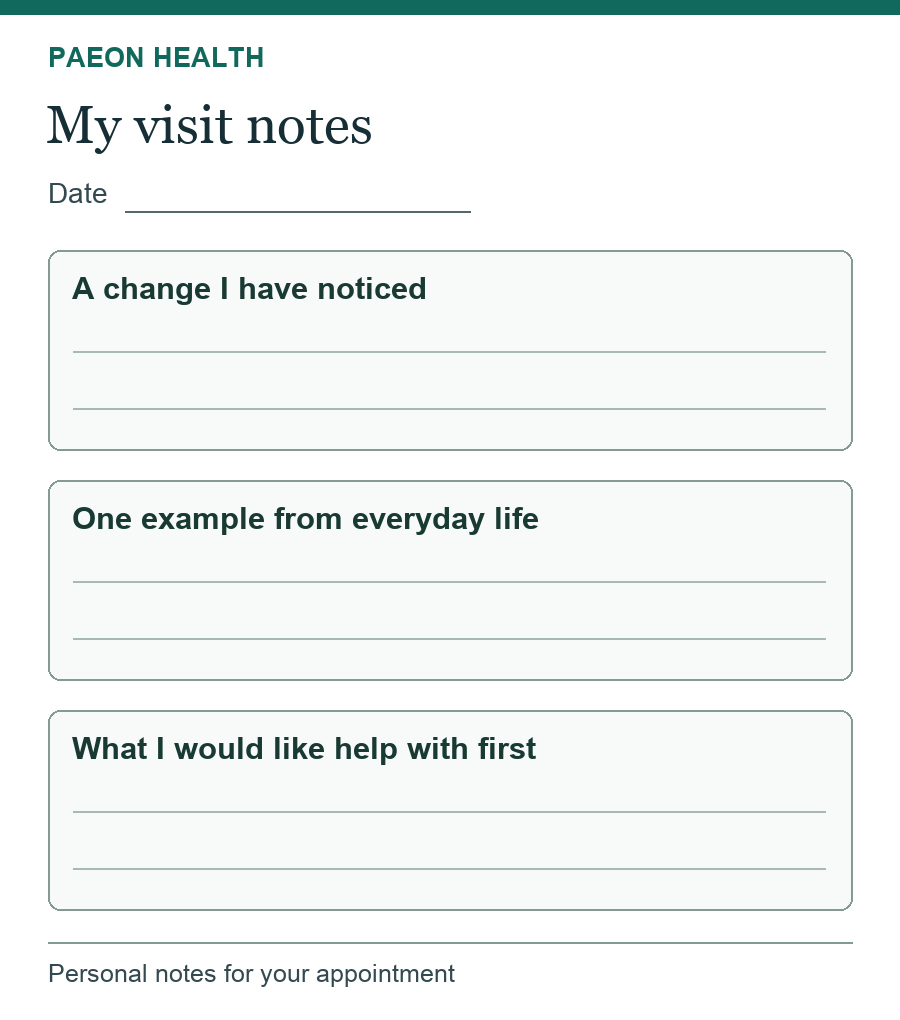
3 ways to prepare for a depression or anxiety visit
If it is hard to put how you feel into words, start with a change you have noticed. You can write a few words for yourself and bring them along, or simply talk through them at the appointment.
- Choose one change What first made you think something felt different? You might start with a change in sleep, energy or interest in an activity.
- Give one example Describe a recent day at work, at home or with family. What took more effort or felt different than it usually does?
- Name one priority You might want to understand symptoms, discuss counseling or review how a medicine has felt. You decide which question to start with.
What to Expect at Your Visit
First visit
- A confidential, unhurried conversation. You will be asked about your symptoms, how long they have lasted, and how they affect your daily life.
- A physical exam and possibly labs to rule out medical causes.
- Discussion of treatment options — therapy, medication, lifestyle changes, or a combination.
- You will leave with a clear plan and a follow-up appointment.
Follow-up
- Regular check-ins (often every 2–4 weeks initially) to assess progress, adjust medication if needed, and provide support.
- Screening questionnaires repeated over time to measure improvement.
- As you improve, visits become less frequent.
You can share as much or as little as you are comfortable with. Everything discussed is confidential. Telehealth follow-up is available across Illinois when clinically appropriate, and the patient must be physically in Illinois.
What if I cannot explain everything in one appointment?
Start with the change that is affecting you most. It is fine to say, “I do not know how to describe my mood, but I used to enjoy cooking and now making dinner feels hard.” An example in your own words can give you a starting point for the conversation.
If you have tried counseling or medication in the past, share what you remember about the experience, including anything that made it difficult to continue. Before you leave, ask when to follow up, how to raise a concern between visits and what change you and your clinician will look for first.
Related worksheets for your visit
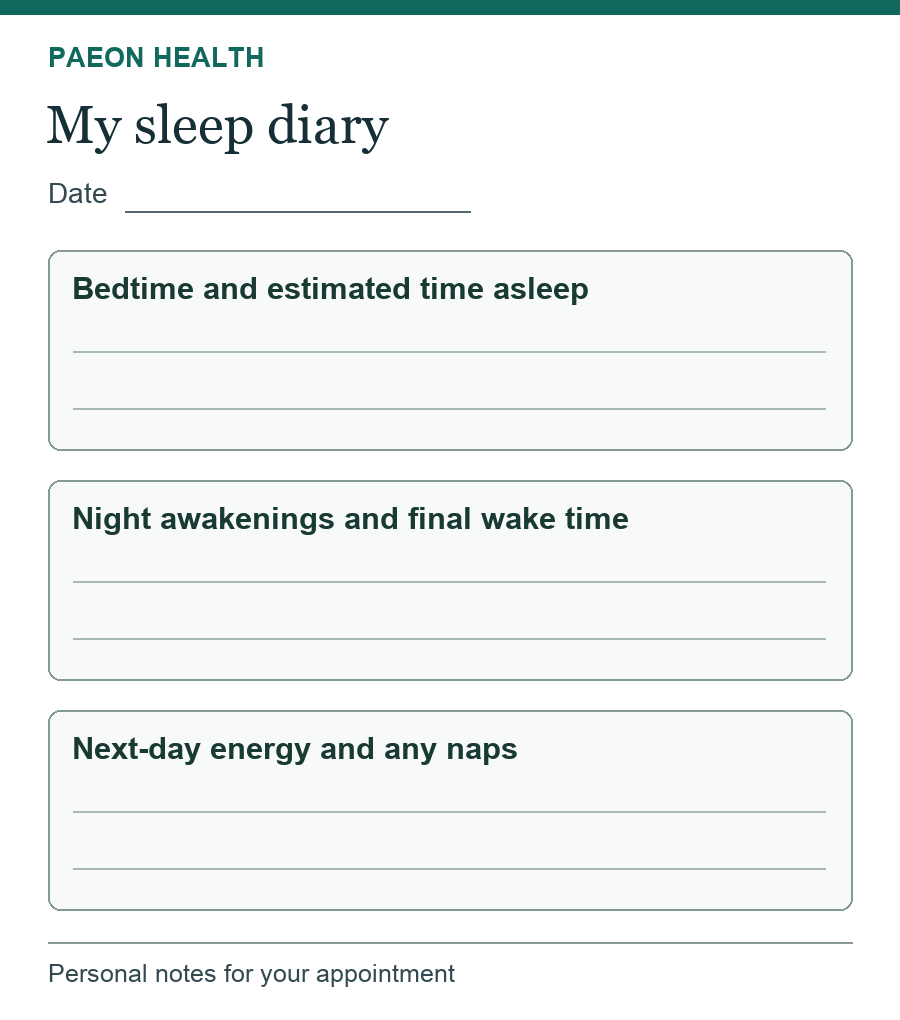 Download sleep diary (PNG)
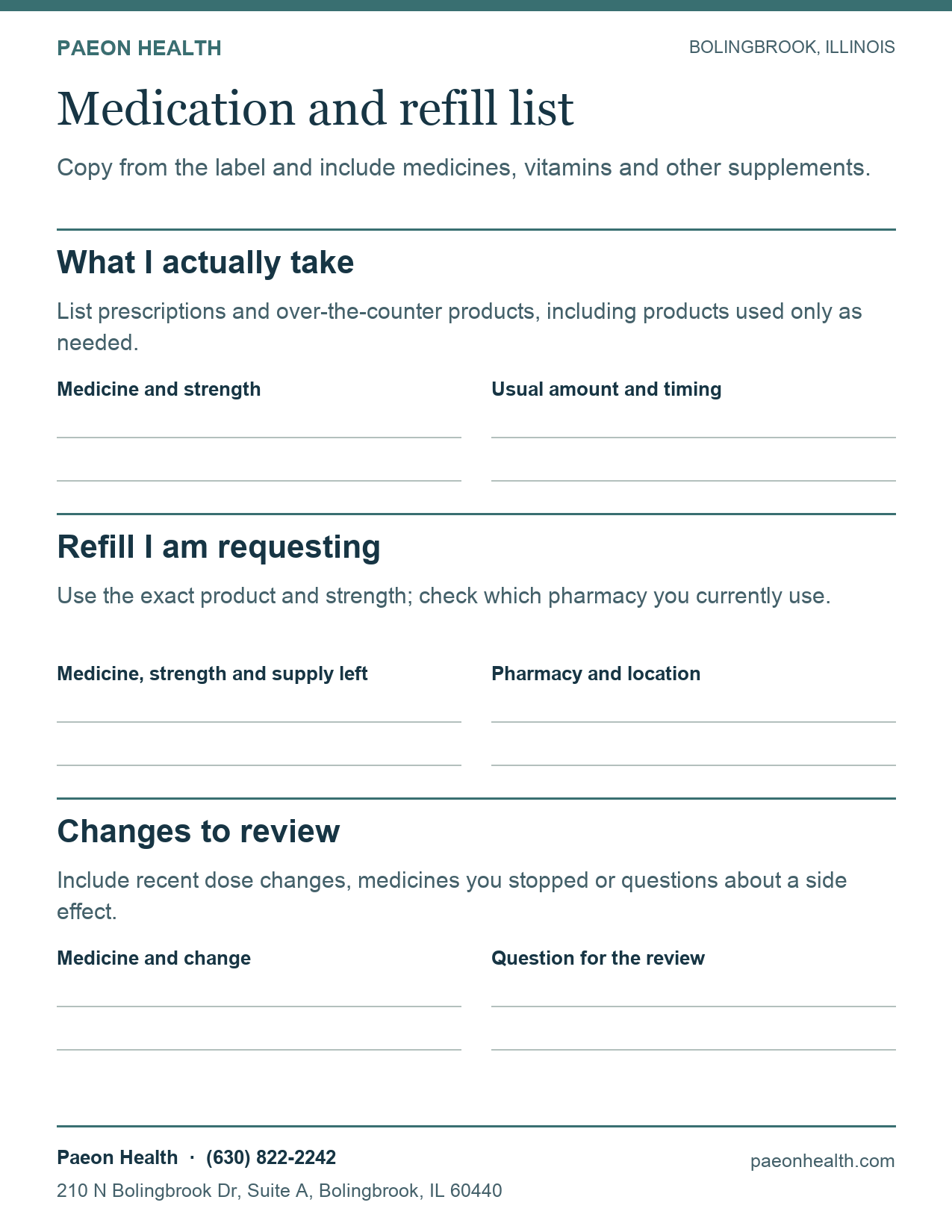 Download medication and refill list (PNG)
Insurance & Self-Pay
Network participation depends on your exact plan and where you receive care. Most plans cover mental health visits and prescription medications, though coverage for therapy and specific medications varies. Always verify your exact plan and network with your insurer.
Self-pay pricing: New Patient Office visit $225, Established Follow-Up $150, Established Patient Video $125. Labs and medications are extra. A Good Faith Estimate is available on request.
FAQ
Q: Should I see a primary care doctor or a therapist for depression? A: Both are valuable. A primary care doctor can rule out medical causes, prescribe medication, and coordinate your care. A therapist provides counseling. Often the best treatment combines both — and we can refer you to a trusted therapist.
Q: Will antidepressants change who I am? A: No. When effective, they help restore your baseline mood so you can feel like yourself again. They do not eliminate normal sadness or change your personality.
Q: How long does treatment take? A: Many people begin to feel better within a few weeks of starting treatment, but full recovery often takes several months. We continue monitoring until you are stable.
Q: Is it normal to feel anxious or depressed after having a baby? A: Postpartum depression and anxiety are common and treatable. If you are a new parent struggling, please tell your doctor — you do not have to “tough it out.”
Q: What if I’m having thoughts of suicide? A: Call or text 988 (the Suicide & Crisis Lifeline) immediately, or call 911, or go to the nearest emergency department. Help is available, and you do not have to face this alone.
Q: Where is Paeon Health located? A: 210 N Bolingbrook Dr, Suite A, Bolingbrook, IL 60440. Phone: 630-822-2242.
Ready to Take the First Step?
Asking for help is a sign of strength. Schedule a confidential visit with Dr. Walid Sayyed at Paeon Health. New adult office visits can be booked through the Elation Patient Passport portal; established patients can book via the portal; or call 630-822-2242. In a crisis, call or text 988 or 911.
View appointment options · Explore primary care services
Patient resource: MedlinePlus guide to depression.
This content is for educational purposes only and is not medical advice. For medical emergencies, call 911. To discuss your specific health needs, book an appointment with Walid Sayyed, MD, at Paeon Health or call 630-822-2242.