
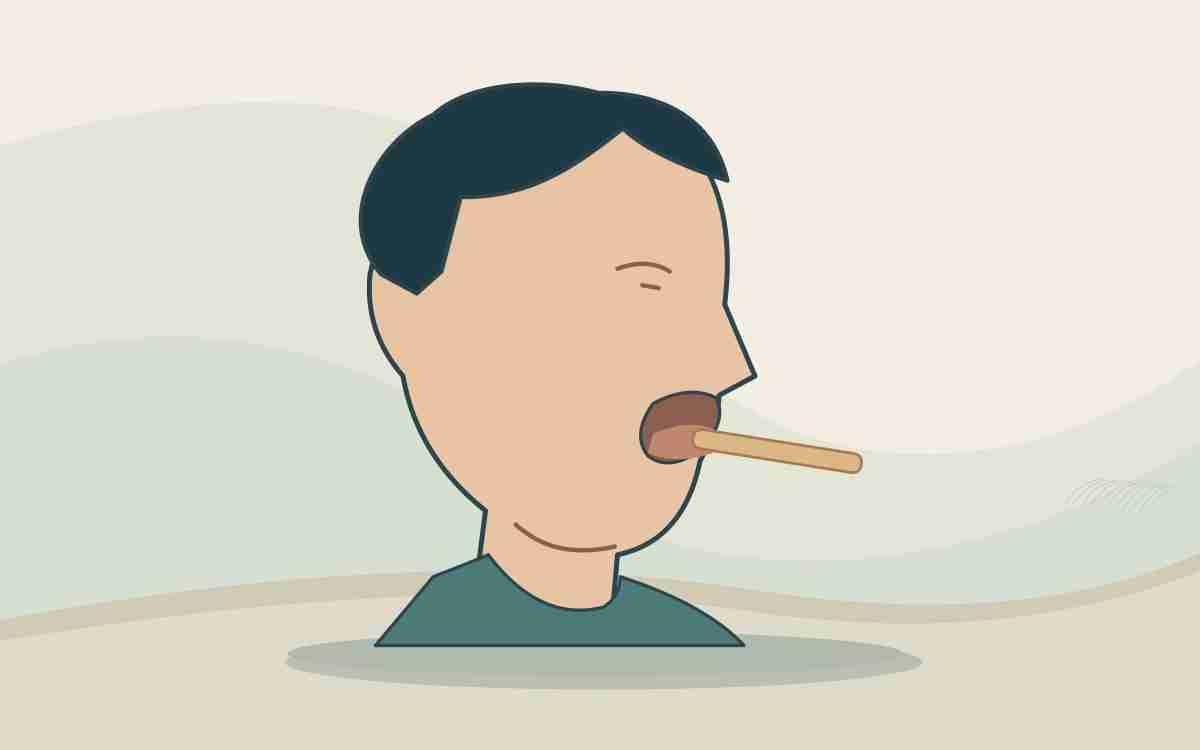
A sore throat is one of the most common reasons for a sick visit. Most sore throats are caused by viruses — the same viruses that cause colds and flu — and get better on their own without antibiotics. But a minority are caused by group A Streptococcus bacteria (“strep throat”), which does require antibiotic treatment to prevent rare but serious complications like rheumatic fever and kidney inflammation. The challenge: you cannot tell the difference by symptoms alone.
At Paeon Health in Bolingbrook, IL, Walid Sayyed, MD, evaluates sore throats and performs rapid strep testing and throat cultures when indicated. Same-week sick visits are available.
Viral Sore Throat vs. Strep: What’s the Difference?
Viral sore throat — more likely if you have:
- Cough
- Runny or stuffy nose
- Hoarseness
- Conjunctivitis (pink eye)
- Mouth sores
- Gradual onset
- Diarrhea (in some viral illnesses)
Strep throat — more likely if you have:
- Sudden, severe sore throat
- Pain with swallowing
- Fever (often over 101°F / 38.3°C)
- Red, swollen tonsils, sometimes with white patches or pus
- Tiny red spots on the roof of the mouth (petechiae)
- Swollen, tender lymph nodes in the front of the neck
- Headache, body aches, nausea, or vomiting (especially in children)
- No cough, runny nose, or hoarseness
- Known exposure to strep
Strep is most common in children ages 5–15, but adults can get it. It is less common in children under 3.
When to Seek Care
See a doctor for a sore throat if:
- It is severe or persists beyond a few days
- You have a fever, especially with no cough or cold symptoms
- You have trouble swallowing, breathing, or opening your mouth
- You see white patches on the tonsils or a rash
- You have a known exposure to strep
- Symptoms include a stiff neck, drooling, or muffled “hot potato” voice (possible peritonsillar abscess — needs prompt care)
- You are immunocompromised or have a chronic condition
- A child has a sore throat with fever — children’s appointments at Paeon Health are booked by calling the office
Seek emergency care for difficulty breathing, drooling, inability to swallow saliva, or a rapidly worsening throat with high fever — these can signal epiglottitis or abscess, which are emergencies.
What to Expect at the Visit
At Paeon Health, a sore throat visit typically includes:
- History and exam — checking throat, tonsils, lymph nodes, and lungs.
- Rapid strep test — a quick swab of the tonsils and back of throat, with results in about 10–15 minutes.
- Throat culture — if the rapid test is negative but strep is still suspected (especially in children and adolescents), a throat culture may be sent to confirm. Adults often do not need a culture if the rapid test is negative, per guidelines.
- Treatment if positive — antibiotics (usually oral penicillin or amoxicillin, or alternatives for penicillin allergy). Specific medication and dose are chosen in person with your physician. You should feel better within a day or two of starting antibiotics. Stay home from work, school, or daycare until at least 24 hours after starting antibiotics and fever-free.
- If negative (viral) — antibiotics will not help. Treatment is supportive: rest, fluids, throat lozenges, warm liquids, over-the-counter pain relievers as appropriate.
What You Can Do at Home
- Rest and drink plenty of fluids.
- Warm liquids — tea with honey (not for children under 1), broth, soup — soothe the throat.
- Cold foods and popsicles can numb pain.
- Gargle with warm salt water (for older children and adults).
- Use a humidifier.
- Over-the-counter pain relievers (acetaminophen or ibuprofen) can reduce fever and pain — check with your doctor or pharmacist for the right choice and dose, especially for children and people with other conditions.
- Do not give aspirin to children or teenagers (Reye’s syndrome risk).
FAQ
Can I get antibiotics without a test? No. Strep cannot be reliably diagnosed by symptoms alone, and antibiotics should not be prescribed without testing (or very high clinical suspicion). Overusing antibiotics contributes to resistance.
How long is strep contagious? With antibiotics, you are no longer contagious after about 24 hours. Without treatment, you can be contagious for weeks, even if symptoms improve.
Can adults get strep? Yes, though it is less common than in school-age children. Adults who are around children (teachers, parents, healthcare workers) are at higher risk.
What if strep goes untreated? Most cases resolve on their own, but untreated strep can lead to complications — peritonsillar abscess, mastoiditis, rheumatic fever, and kidney inflammation. That is why testing and treatment matter.
What does a sick visit cost? Same-Week Sick Visit self-pay is $175. Rapid strep test and any medications are extra. Verify your insurance plan and network — a listed carrier does not guarantee coverage. A Good Faith Estimate is available.
Schedule a Primary Care Visit
If a sore throat is severe, persistent, or accompanied by fever — or if you have been exposed to strep — a same-week sick visit can test and treat you promptly. Book with Walid Sayyed, MD, at Paeon Health in Bolingbrook, IL, via Elation online scheduling, or call 630-822-2242. For children’s appointments, call to book.
Related Paeon Health services and resources
About this article

Article last updated
References
This article is for general education and does not replace medical advice from your clinician. For a medical emergency, call 911. For personal medical questions, use the secure patient portal.
To discuss your health with Dr. Sayyed, choose an appointment or call 630-822-2242.