
This Medicare guide is for older adults and the people who help them manage care. Choose the reason for your next appointment: a wellness visit, a medication review or follow-up after a hospital stay.
I’m scheduling a wellness visit
When you call, tell the office whether you want to plan preventive care or discuss a specific concern. If you want to do both, mention both when booking so the office can explain the options. See how to schedule a Medicare Annual Wellness Visit in Bolingbrook, or check Medicare’s wellness visit coverage.
- Medicare wellness visit or annual physical?. Compare the purpose of each visit before scheduling.
- What to expect at a Medicare wellness visit. Prepare questions about the visit and your plan’s coverage.
I’m returning home from the hospital
Keep your discharge instructions beside the medicines you actually take. If the hospital list differs from the bottles you have at home, mark the difference so you can ask about it. To arrange care, call for a post-hospital follow-up with your discharge timeframe.
- Preparing for a post-hospital follow-up. Gather the discharge plan, appointment details, and outstanding questions.
- Preparing for a medication review. Bring prescription bottles, over-the-counter medicines, and supplements.
I’m helping someone manage care at home
Choose one change you have noticed at home and write down when it started. Specific examples can help your family member describe what matters most to them.
- A practical guide for caregivers. Organize visits, questions, and records with your family member.
- Discussing falls and near-falls. Prepare to describe what happened and how it affects daily activities.
What to bring to your visit
Bring a current medication list and the records that match your visit. If someone is coming with you, agree beforehand on the first question you want the doctor to hear.
A Medicare guide to preparing for 3 different visits
1. Write down your priorities for a wellness visit
Think of one daily activity you would like to keep doing independently, then write down any concern that makes it harder. It is easier to discuss a concrete example, such as difficulty getting to appointments or remembering the names of medicines, than to start with a long list of general concerns.
If you also want help with a new symptom, tell the office about it when you make the appointment. Ask how the practice will schedule it and what your specific plan covers. Have your insurance card available so you can give the exact plan name when you call.
2. Organize the instructions after a hospital stay
On a single sheet, list the hospital, the date you came home, the follow-up timeframe shown in your discharge instructions and any appointments that are already booked. If you are waiting for a test result, write the test name and the number the hospital gave you for questions.
Keep an item marked “ask” when the hospital’s list and the instructions on a prescription bottle differ. Bring both to the follow-up visit. If you need an answer before the appointment, contact the clinician or pharmacist who can clarify the instruction for you.
3. Make a caregiver’s questions easy to find
Agree with your family member on the first question before arriving. A useful prompt is, “What changed since the last visit, and what would you most like help doing?” Write down their own words and a dated example.
You can also choose who will take notes during the appointment. Leave a line for the next step, who will arrange it, and the best way to reach the office if you have another question. Ask the practice how a caregiver can participate in communication while respecting the patient’s preferences.
Print the sheet that fits your visit
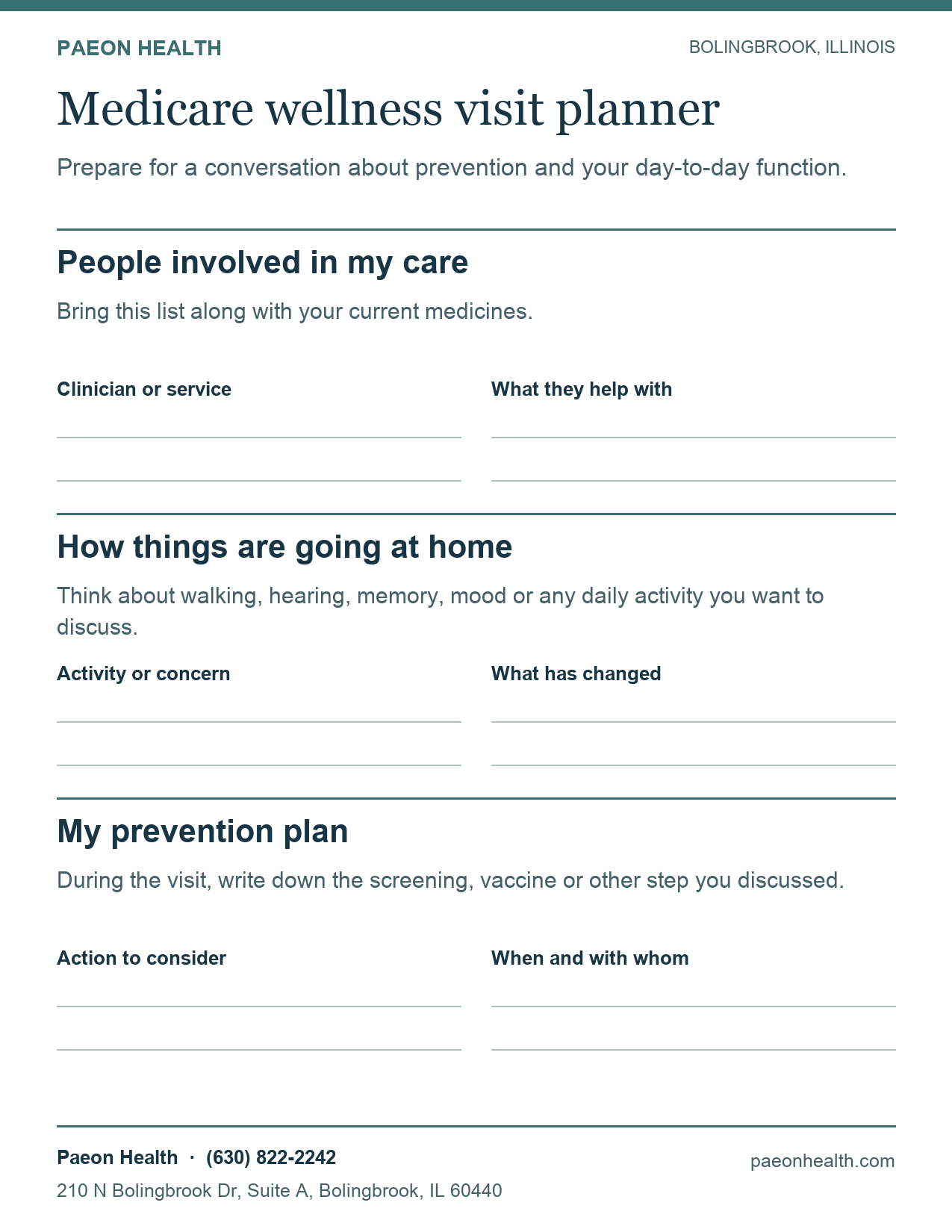
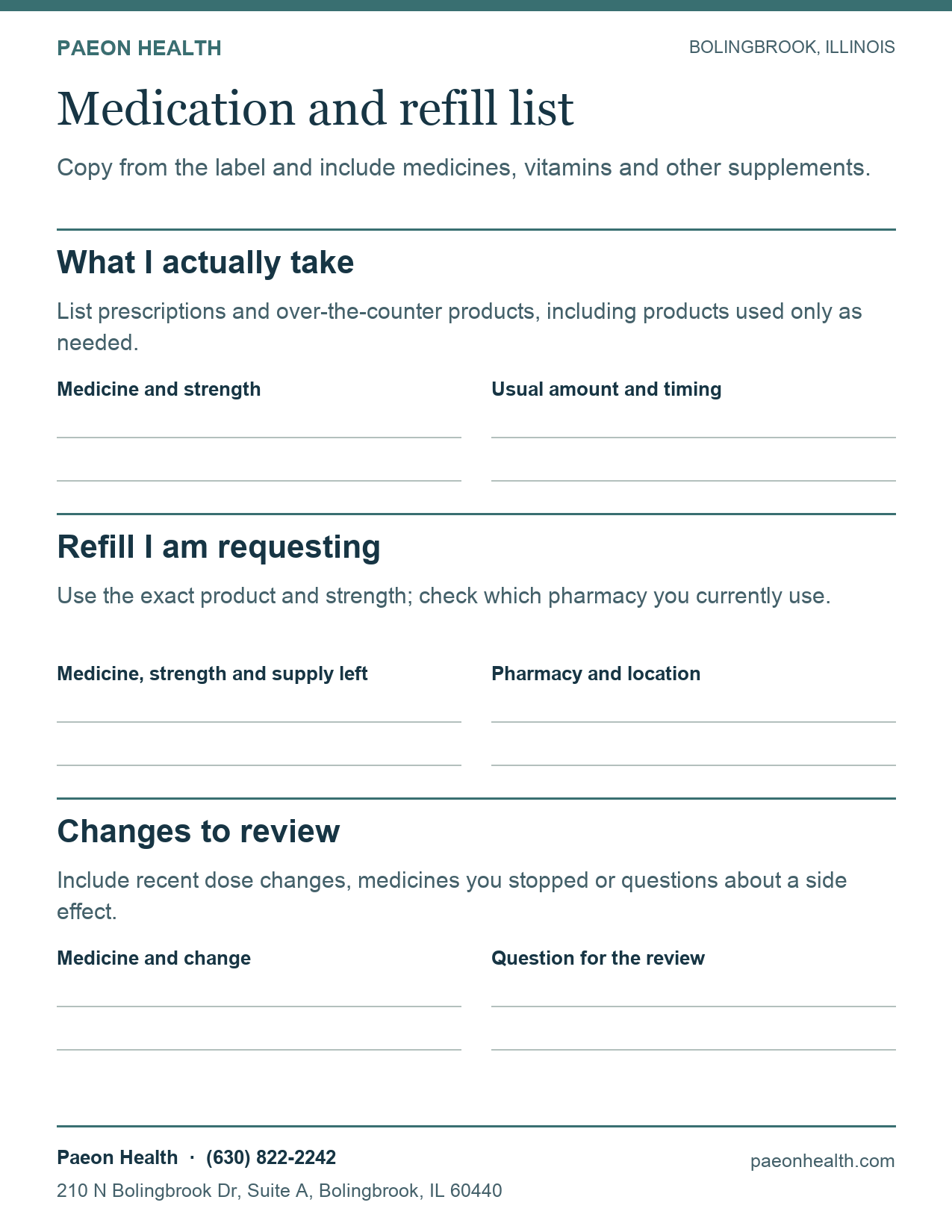
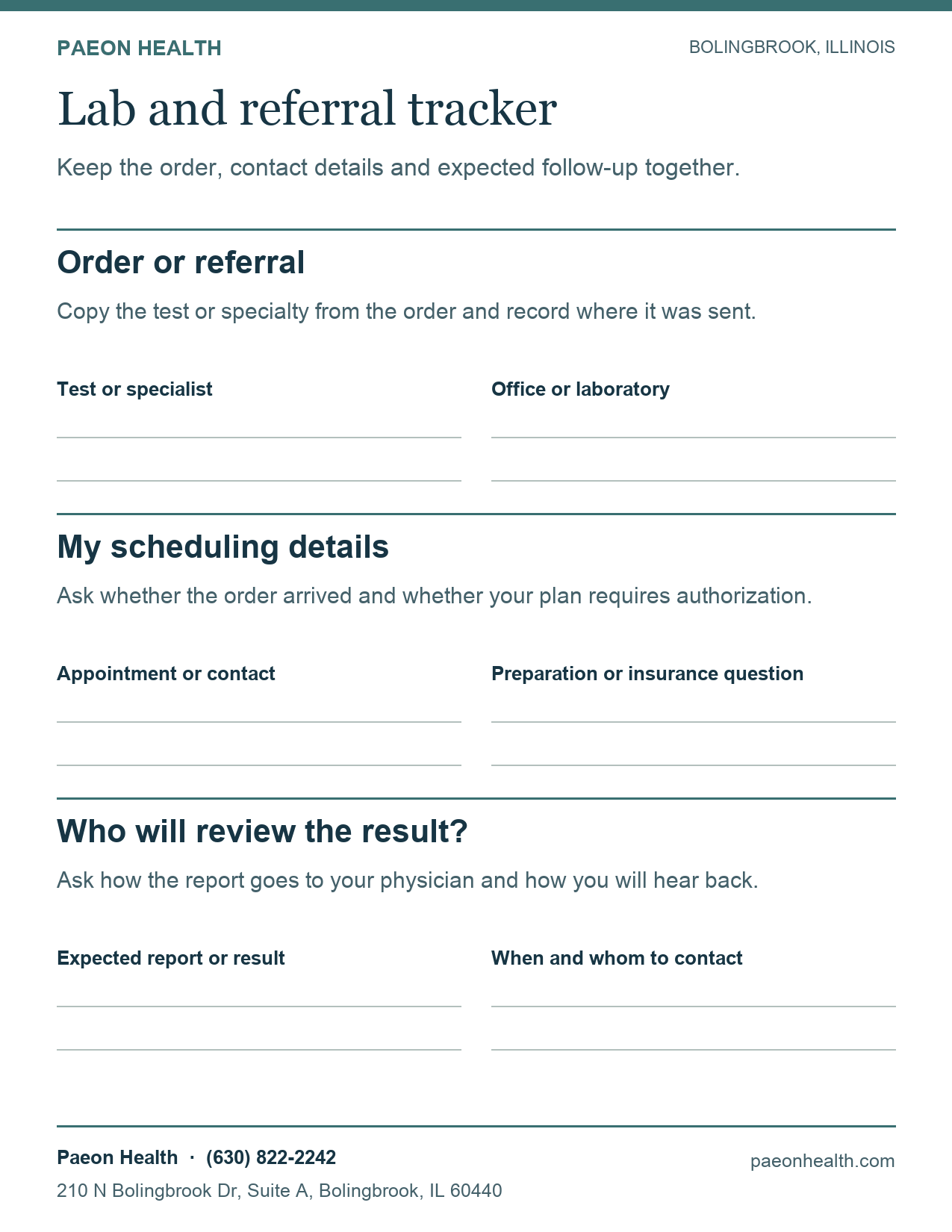
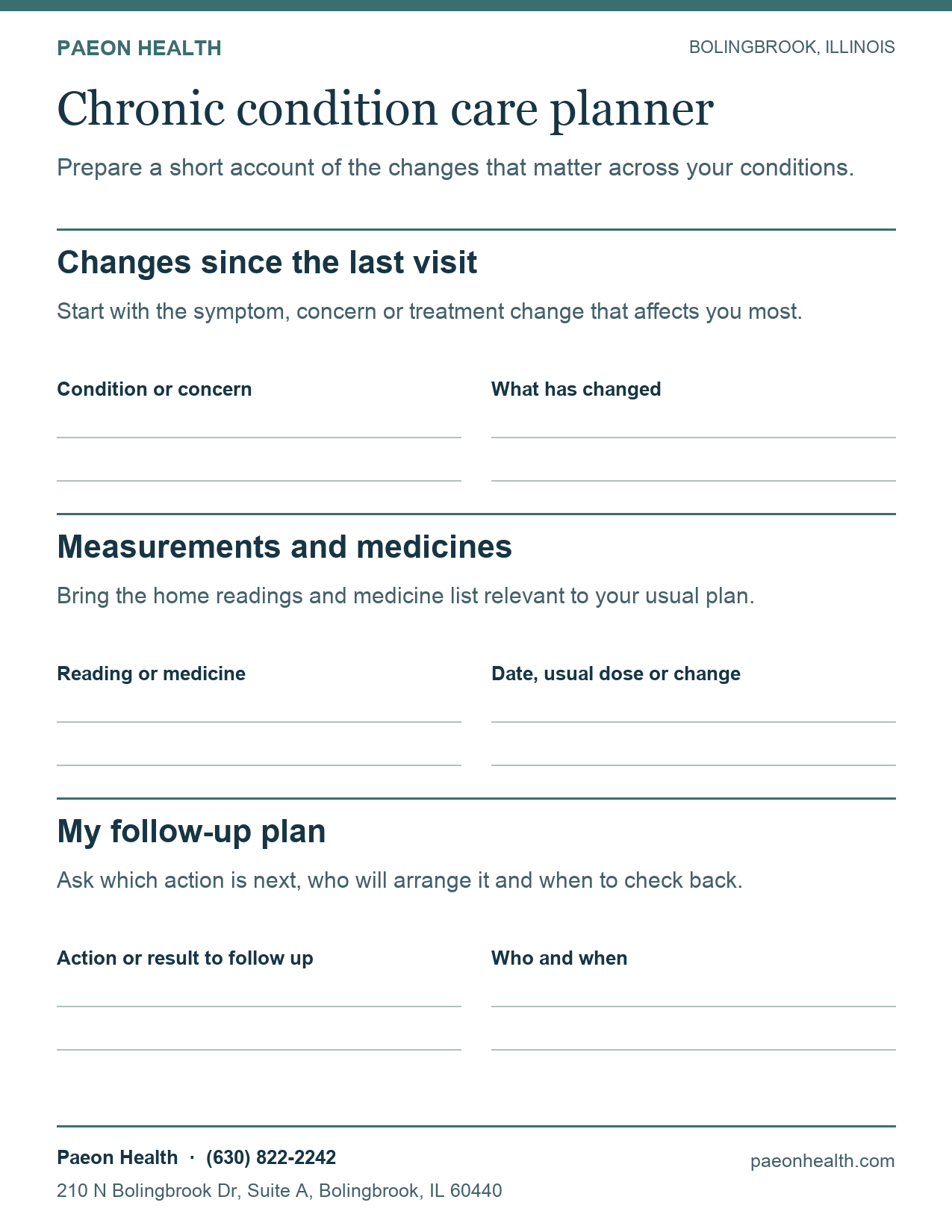
Use the wellness planner for a preventive visit. Use the other sheets if your priority is sorting medications, reviewing a pending test or following changes since you came home.
Compare my first Medicare preventive visit with a yearly wellness visit
If you recently enrolled in Part B
Medicare describes two preventive appointments that people sometimes refer to simply as a checkup. The “Welcome to Medicare” preventive visit is available once during the first twelve months of Part B. The yearly wellness visit has its own eligibility and timing rules. When you schedule, give the office your Part B start date and the date of any previous Medicare preventive visit if you know it.
If you do not remember which visit took place, look for the dated visit summary or ask your plan how to identify it. You can say, “I want to schedule prevention planning and I am not sure which visit is due. What information should I check first?” Read the official Welcome to Medicare preventive visit description before making the appointment.
What a wellness visit is designed to cover
The yearly Medicare wellness visit is a chance to review health risks and develop or update a personal prevention plan. Bring the names of clinicians you see and the dates of screenings you have already completed. If an outside office gave you a report saying when the next test is due, bring that page as well. Dates are helpful even if you do not have every record in hand.
A yearly wellness visit differs from a routine physical. If a new symptom, an injury or a medication problem needs evaluation, mention it when you call. Ask how the practice will arrange time for that concern and what charges could apply to additional services. If you have a Medicare Advantage plan, use the number on your card for questions specific to the network and your expected costs.
Make prevention planning personal
Think about a daily task you would like to keep doing, such as preparing meals safely, walking to a nearby store or hearing conversations at family gatherings. A change you have noticed in daily life can be easier to explain than a general statement that something feels different. Write down one example and when you first noticed it.
Near the end of the visit, ask which preventive steps you agreed on, who will arrange them and when to expect a result. If you receive printed instructions, mark the items that require a telephone call. A family member who is helping can write down the next appointment or test while you finish the conversation with the clinician.
Organize the first few days after a hospital or rehabilitation stay
Before leaving the facility
Ask for a written copy of the discharge instructions that you can read and take with you. Locate the telephone number for questions and the follow-up timeframe. If you are going home with help from family, a home health service or another clinician, ask which person or office will handle each part of the plan.
Make sure you can identify the changes that require an urgent call and whom the facility instructed you to contact. If a test result is still pending, ask what the test was, which clinician is expected to receive it and when you should check back. Medicare’s discharge planning checklist includes questions for people leaving a hospital, nursing home or other care setting.
When the medicine lists differ
Set the discharge list beside the bottles you actually use. Make a note if a bottle has a different strength or if two lists give different instructions for the same medicine. Keep both instructions visible and contact the appropriate clinician or pharmacist for clarification. Do not guess which instruction the team intended.
If someone helps fill a pill organizer, include that person when you review the instructions if you want them involved. Bring the current list and the discrepancies to the follow-up visit. If a pharmacy has not received a prescription you expected after discharge, call the discharging team or the contact listed in the instructions for clarification.
When making the follow-up call
Give the office the facility name, the day you went home and the specific timeframe written on your paperwork. If transportation requires advance notice, explain that when you ask about available times. If a specialist appointment is already scheduled, have the specialty, date and office name nearby so you can ask how the visits fit together.
At your follow-up, describe one change since you returned home. It might concern a medicine you could not obtain, a question about equipment or a daily activity that is harder than expected. Separate that change from your questions about future prevention. This gives the clinician a clear picture of the immediate issue, even when a Medicare wellness visit is also due.
If you are the family member making notes
Agree beforehand on who will speak first. Ask the person receiving care what is most important to them and use their words when you write down the question. You can give the clinician a dated example of a change you have observed, then give your family member space to explain their own experience.
Before going home from an appointment, check that you know where the written plan will appear and how the family can follow up with permission. Keep contact numbers beside the task they relate to. A number for a pending hospital result may be different from the number for a routine office appointment.
Browse all seniors and Medicare articles · Browse the full Paeon Health blog