
Weight management at Paeon Health starts with what you want to change and what you have already tried. Talk with Dr. Sayyed about your sleep, activity, medicines and health concerns, then discuss options that fit your life.
At Paeon Health in Bolingbrook, Illinois, Dr. Walid Sayyed — a board-certified family medicine physician — provides compassionate, evidence-based weight management for adults across the Naperville, Romeoville, and Plainfield area. There are no fad diets, no shame, and no quick fixes. Just a personalized plan that fits your life.
Weight management is not about reaching a number on a scale. It is about improving your energy, mobility, blood pressure, blood sugar, sleep, and confidence. Whether you want to lose 10 pounds or 100, manage diabetes or joint pain, or simply feel better in your body, we can help.
What Is Medical Weight Management?
Medical weight management — sometimes called medical weight loss — is the diagnosis and treatment of overweight and obesity as a chronic medical condition, using evidence-based tools that go beyond diet and exercise. It is appropriate for adults with a BMI of 25 or higher (overweight) or 30 or higher (obesity), especially when weight is contributing to health problems like diabetes, high blood pressure, sleep apnea, or joint pain.
Unlike commercial diet programs, medical weight management
- Starts with a thorough medical evaluation to identify underlying causes (thyroid issues, insulin resistance, medication side effects, sleep apnea, hormonal changes).
- Uses FDA-approved weight-loss medications when appropriate, monitored by a physician.
- Addresses co-existing conditions (diabetes, hypertension, high cholesterol) that are closely tied to weight.
- Provides ongoing support and follow-up, not a one-time plan.
- Refers to bariatric surgery or specialized programs when appropriate.
Obesity is now recognized as a chronic disease by major medical organizations, including the American Medical Association. Treating it requires the same ongoing, personalized approach as any other chronic condition.
Signs & Symptoms That Weight May Be Affecting Your Health
Weight itself is not a symptom, but these signs may indicate that excess weight is impacting your health — and that medical weight management could help:
- BMI of 25 or higher, especially with fat around the abdomen.
- Fatigue and low energy, even after adequate sleep.
- Joint pain — especially knees, hips, and lower back.
- Snoring or suspected sleep apnea (waking tired, morning headaches).
- High blood pressure, high cholesterol, or type 2 diabetes (or prediabetes).
- Difficulty with physical activity — climbing stairs, walking, playing with children.
- Acid reflux or heartburn.
- Mood changes, low self-esteem, or depression related to weight.
- Weight gain after starting a new medication (antidepressants, diabetes medications, steroids, etc.).
- Diets that work temporarily but the weight returns.
Seek care sooner if: you have chest pain with activity, severe shortness of breath, or symptoms that suggest a serious underlying condition. For emergencies, call 911.
How Primary Care Approaches Weight Management at Paeon Health
At Paeon Health, weight management begins with listening — not judging. Dr. Sayyed will take the time to understand your history: what you have tried, what has worked, what has not, and what your goals are. He will then build a plan that may include:
Medical evaluation
- Comprehensive history and physical exam.
- Labs to check thyroid function, blood sugar/A1c, cholesterol, liver function, and other factors that affect weight.
- Review of all medications — some cause weight gain, and alternatives may exist.
- Screening for sleep apnea, depression, and other conditions that affect weight.
Personalized nutrition and lifestyle plan
- A realistic eating plan you can sustain — not a crash diet. We focus on whole foods, portion awareness, and behavior change.
- An exercise plan that starts where you are — even a daily walk is a meaningful beginning.
- Sleep and stress management, both of which affect hunger hormones (ghrelin and leptin).
Medication, when appropriate
- FDA-approved weight-loss medications may be considered for patients with BMI ≥30, or BMI ≥27 with a weight-related condition. These are not magic pills — they work alongside lifestyle changes — but they can significantly improve results. Dr. Sayyed will discuss whether medication is appropriate for you, monitor for side effects, and adjust as needed. (Specific medication choices and doses are determined individually during your visit.)
Chronic condition management
- If you have diabetes, high blood pressure, or high cholesterol, weight loss often improves — and sometimes reduces the need for — medication. Dr. Sayyed will coordinate your care, adjusting medications as your weight and health improve.
Referral when needed
- If you would benefit from a registered dietitian, behavioral counselor, sleep specialist, or bariatric surgeon, Dr. Sayyed will refer you to trusted providers in the Chicago area and coordinate your care.
What to Expect at Your Visit
First visit (60–90 minutes)
- Review of your medical, weight, and diet history.
- Physical exam — height, weight, BMI, blood pressure, waist circumference.
- Lab work ordered (blood draw, often at an outside lab).
- Discussion of goals, barriers, and options.
- A starter plan — nutrition, activity, and any initial recommendations.
- If medication is appropriate, a discussion of risks and benefits, with a prescription if you both agree.
Follow-up visits (every 2–4 weeks initially, then monthly)
- Weight and vital signs check.
- Review of progress, challenges, and adjustments.
- Medication monitoring and side effect review.
- Lab rechecks as needed.
- Ongoing support and accountability.
Long-term
- As you reach your goals, visits become less frequent but continue — because weight management is a lifelong process. We celebrate your progress and help you maintain it.
Telehealth follow-up is available across Illinois when clinically appropriate, and the patient must be physically in Illinois. For the initial evaluation and physical exam, an office visit is required.
Three questions for your weight management visit
Before a weight management appointment, think about what you would like daily life to feel like. A goal such as walking comfortably or sleeping better can help guide the discussion.
- When did I first notice a change, and what else was going on at that time?
- What have I tried, what helped and what was difficult to sustain?
- Which goal would make a difference to me, and how could we track progress toward it?
Preview the weight management visit planner
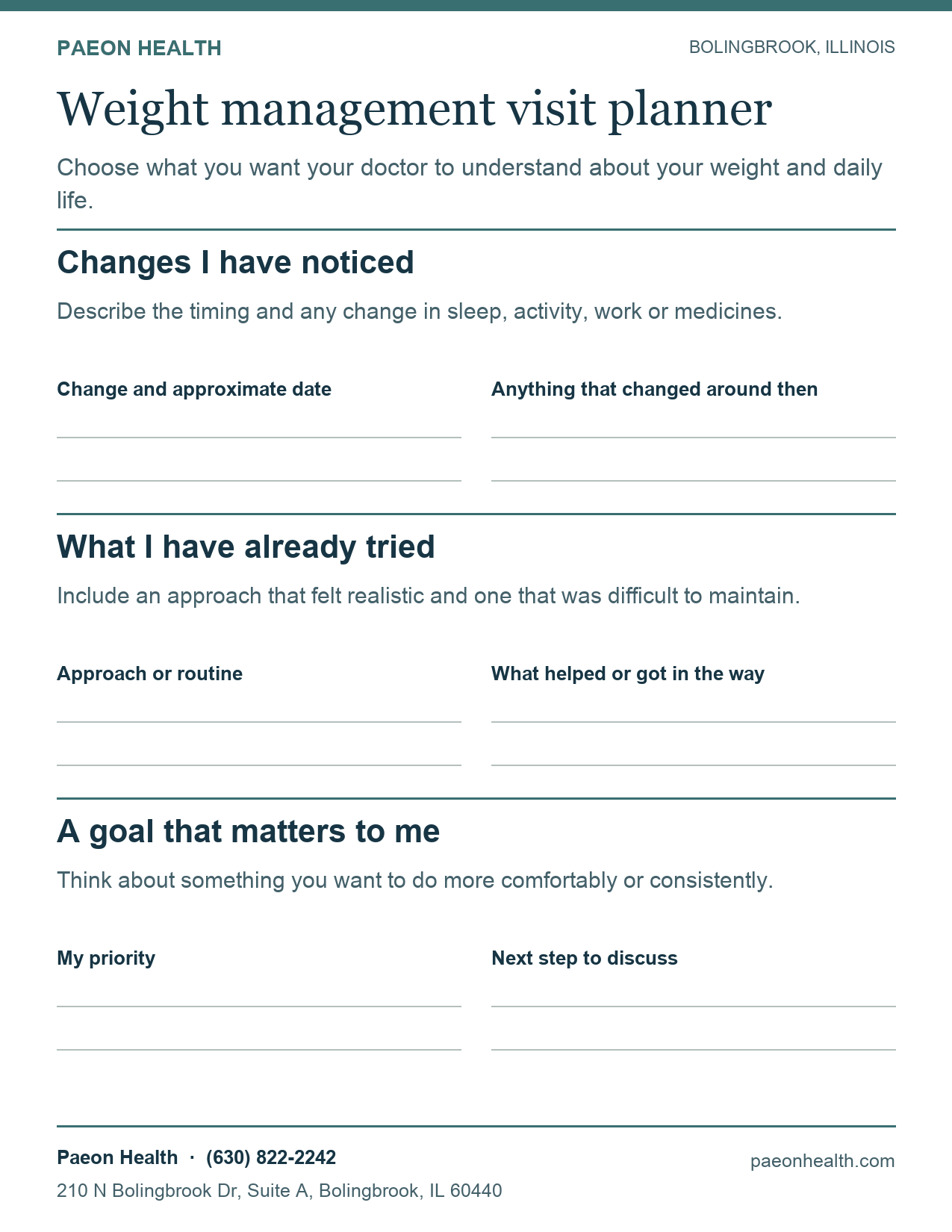
Choose a measure that fits your goal
If your main goal is to walk more comfortably or feel more rested, describe a typical day now. A familiar activity, such as climbing your stairs or walking to a bus stop, gives you and your physician a specific point of comparison at follow-up.
Records for a related health concern
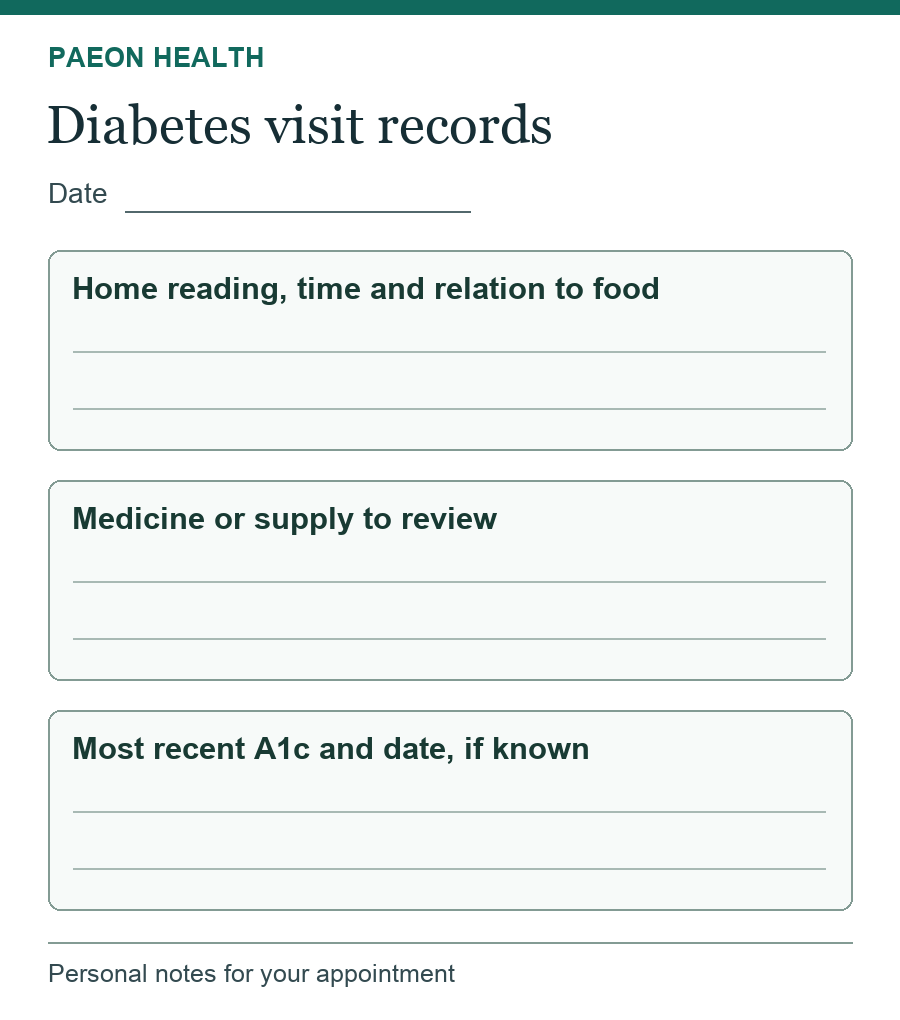
If you also manage diabetes
Bring a diabetes record if you already track glucose, doses or follow-up testing. Mark the dates of any medication change so the clinician can see the sequence.
Download the diabetes care visit record (PNG)
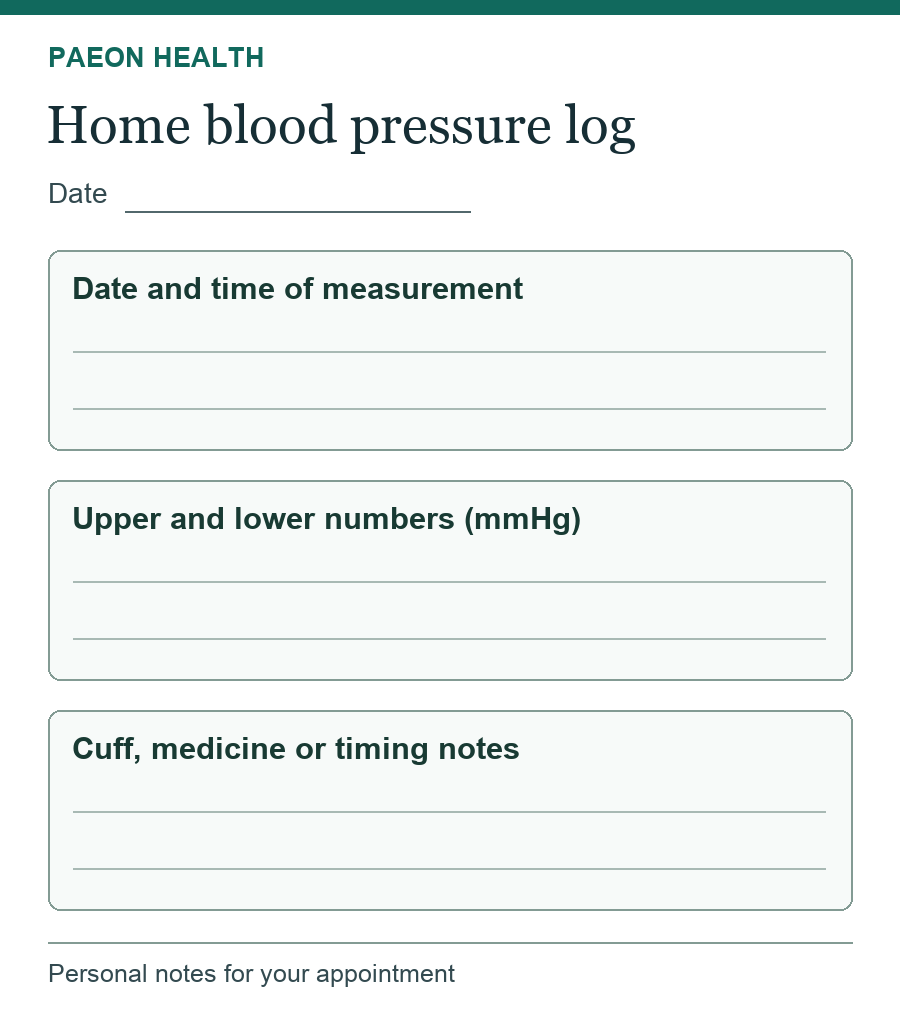
If you already monitor blood pressure
Bring the readings you have on hand and the dates they were taken. A written log can help keep the conversation focused on changes over time.
Download the hypertension blood pressure log (PNG)
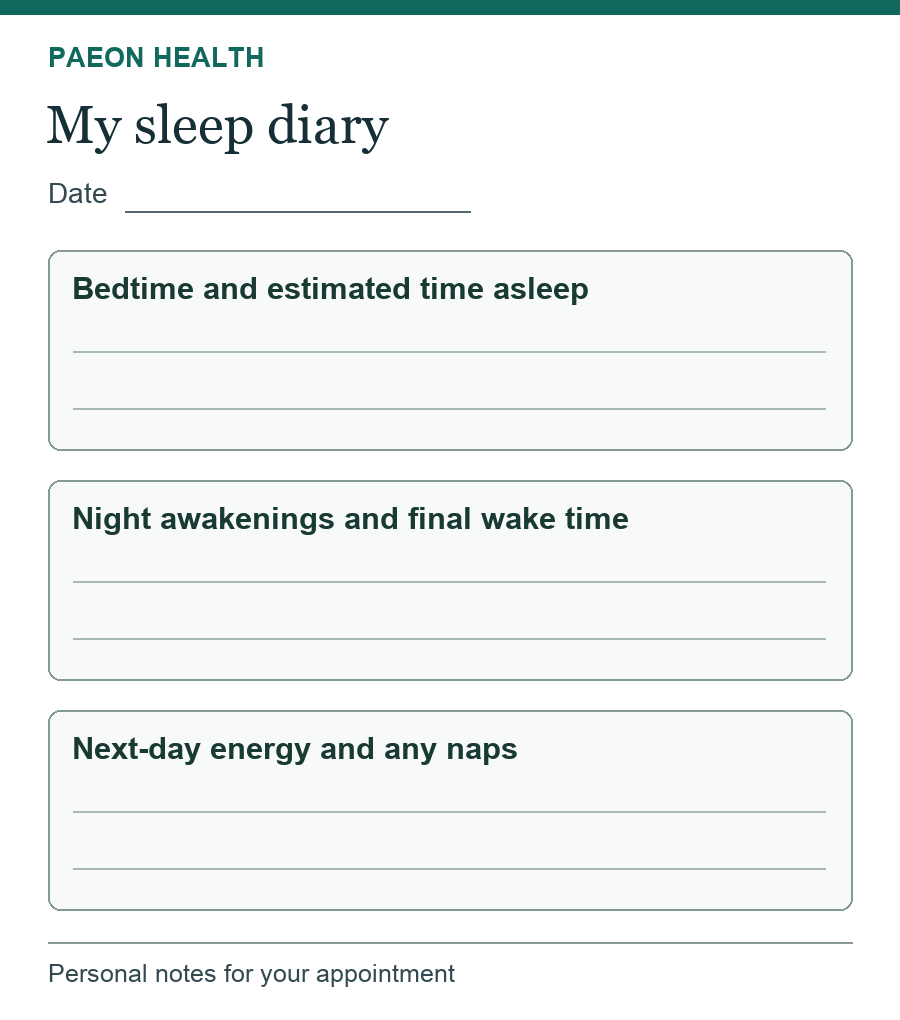
If sleep affects your daily routine
The sleep diary leaves room for bedtime, waking and daytime effects. Use it to illustrate how shift work, interrupted sleep or a changing schedule affects daily life.
Download the insomnia sleep diary (PNG)
Insurance & Self-Pay
Network participation depends on your exact plan and where you receive care. Coverage for weight management and weight-loss medications varies widely by plan — some cover nutrition counseling and medications, others do not. Always verify your exact plan and network with your insurer.
Self-pay pricing: New Patient Office visit $225, Established Follow-Up $150. Labs, medications, and outside services are extra. A Good Faith Estimate is available on request. HSA/FSA funds can often be used for weight management visits and labs.
FAQ
Q: Do I qualify for weight-loss medication? A: Generally, FDA-approved weight-loss medications are considered for adults with BMI ≥30, or BMI ≥27 with a weight-related condition like diabetes or high blood pressure. Your doctor will evaluate whether medication is safe and appropriate for you.
Q: Will I be put on a strict diet? A: No. We focus on sustainable changes you can live with — not extreme restriction. Crash diets rarely work long-term and can be harmful.
Q: How much weight can I expect to lose? A: Results vary. Even 5–10% of body weight can significantly improve blood pressure, blood sugar, and joint pain. We set realistic, personalized goals rather than promises.
Q: Do I need to lose weight before seeing a doctor? A: No. There is no “right” weight to start. Wherever you are, we can help.
Q: Can weight management help with my diabetes or joint pain? A: Yes. Weight loss often improves insulin sensitivity (reducing diabetes medication needs), reduces joint load, and improves sleep apnea and mobility.
Q: Where is Paeon Health located? A: 210 N Bolingbrook Dr, Suite A, Bolingbrook, IL 60440. Phone: 630-822-2242.
Ready to Start?
You do not have to do this alone. Schedule a weight management consultation with Dr. Walid Sayyed at Paeon Health. New adult office visits can be booked through the Elation Patient Passport portal; established patients can book via the portal; or call 630-822-2242.
View appointment options · Explore primary care services
Patient resource: MedlinePlus guide to weight management.
This content is for educational purposes only and is not medical advice. For medical emergencies, call 911. To discuss your specific health needs, book an appointment with Walid Sayyed, MD, at Paeon Health or call 630-822-2242.