
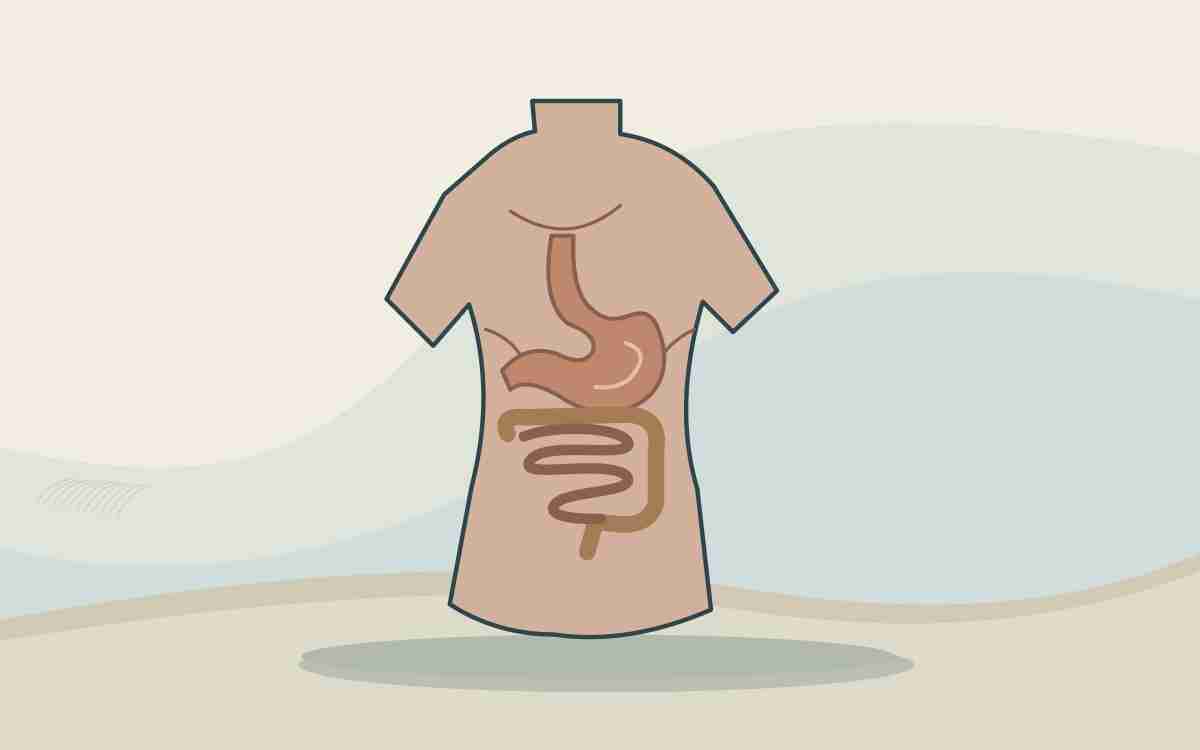
Constipation is one of the most common digestive complaints — and one of the most under-discussed. Many people put up with it for months or years, assuming it is normal. Occasional constipation is common, but chronic constipation — fewer than three bowel movements a week, hard or lumpy stools, straining, or a feeling of incomplete evacuation lasting several weeks or more — deserves attention.
At Paeon Health in Bolingbrook, IL, Walid Sayyed, MD, evaluates constipation to identify causes and find relief that is safe and sustainable.
Common Causes of Constipation
Constipation often has multiple contributing factors:
- Low fiber intake — most Americans eat far less than the recommended 25–30 grams of fiber daily.
- Inadequate fluids — dehydration hardens stool.
- Physical inactivity — movement helps bowel motility.
- Ignoring the urge to go — holding stool in makes it harder and drier.
- Changes in routine — travel, pregnancy, aging.
- Medications — opioids, some antidepressants, iron supplements, calcium supplements, certain blood pressure drugs, antacids with aluminum or calcium, and antihistamines can cause constipation.
- Medical conditions — hypothyroidism, diabetes, IBS-C, diverticulosis, colorectal cancer (rare), and neurological conditions.
- Pregnancy — hormonal changes and pressure on the bowel.
- Aging — bowel motility slows with age.
Home Relief That Works
For occasional constipation, these evidence-based steps often help:
- Increase fiber gradually — fruits, vegetables, whole grains, legumes. Adding too much too fast can worsen bloating. A fiber supplement (psyllium or methylcellulose) can help.
- Drink more water — especially when increasing fiber.
- Move more — a daily walk stimulates the bowel.
- Do not ignore the urge — set aside unrushed time after a meal, when the bowel is naturally active.
- Consider a stool softener or osmotic laxative — these are generally safe for occasional use. Ask your doctor or pharmacist which is right for you, especially if you have other conditions.
- Avoid stimulant laxatives long-term without medical guidance — they can become habit-forming.
Prunes and prune juice have a long track record and some evidence of benefit.
When to See a Doctor
Schedule a visit if constipation:
- Lasts more than three weeks despite home measures
- Is severe or painful
- Is accompanied by blood in the stool, black stools, or rectal bleeding
- Comes with unexplained weight loss
- Causes persistent abdominal pain, vomiting, or inability to pass gas
- Alternates with diarrhea
- Began after age 50, or if you are due for colon cancer screening
- Is new and associated with anemia or fatigue
- Started after a new medication
Seek emergency care for severe abdominal pain, vomiting, inability to pass gas or stool, and a distended abdomen — these can signal a bowel obstruction.
What a Primary Care Evaluation Includes
At Paeon Health, a constipation workup may include:
- History — bowel pattern, diet, fluids, activity, medications, and any alarm symptoms.
- Physical exam — including abdominal exam and, when indicated, rectal exam.
- Medication review — identifying drugs that may be contributing.
- Lab work — thyroid function, calcium, glucose, and complete blood count to check for underlying causes.
- Colonoscopy referral — for patients over screening age (typically 45), or any age with alarm features, to rule out polyps, cancer, or other structural causes.
- Treatment plan — dietary changes, fiber, safe laxative options, and treating any underlying condition found.
For chronic constipation that does not respond, referral to gastroenterology may be arranged. Telehealth follow-up across Illinois is available when clinically appropriate, with the patient physically in Illinois.
FAQ
How often should I have a bowel movement? Normal ranges widely — from three times a day to three times a week. What matters is a change from your normal pattern and whether you are straining or feeling incomplete.
Can constipation cause back pain? Yes, a full colon can cause lower back discomfort. Persistent back pain with constipation should be evaluated.
Are laxatives safe? Osmotic laxatives and stool softeners are generally safe for regular use under medical guidance. Stimulant laxatives are best used short-term. Ask your doctor.
Does coffee help? Caffeine can stimulate bowel contractions for some people, but it is not a reliable or sufficient treatment.
What does a visit cost? Established Follow-Up self-pay is $150; Same-Week Sick Visit is $175. Labs and colonoscopy referral are extra. Verify your insurance plan and network — a listed carrier does not guarantee coverage.
Next steps
If constipation is persistent, painful, or accompanied by warning signs, do not keep suffering in silence. Book an appointment with Walid Sayyed, MD, at Paeon Health in Bolingbrook, IL, via the Elation Patient Passport portal, or call 630-822-2242.
About this article

Article last updated
References
This article is for general education and does not replace medical advice from your clinician. For a medical emergency, call 911. For personal medical questions, use the secure patient portal.
To discuss your health with Dr. Sayyed, choose an appointment or call 630-822-2242.