
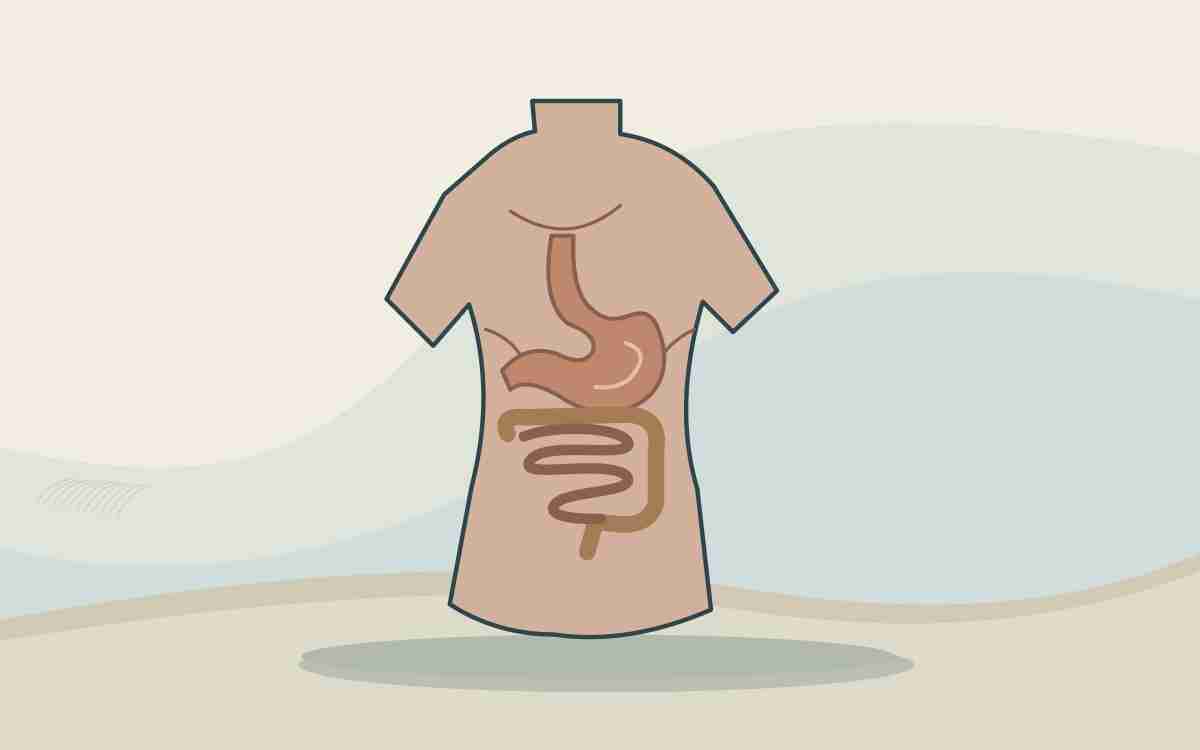
Hemorrhoids are swollen veins in the lower rectum and anus — similar to varicose veins. They are extremely common: by age 50, about half of adults have had them. Most hemorrhoids are mild and improve with simple measures, but some cause enough pain, bleeding, or discomfort to need medical care.
At Paeon Health in Bolingbrook, IL, Walid Sayyed, MD, evaluates hemorrhoids, provides treatment, and refers to a colorectal surgeon or gastroenterologist when procedures are needed.
Types of Hemorrhoids
- Internal hemorrhoids — inside the rectum. They usually do not hurt, but can bleed (bright red blood on toilet paper or in the bowl) and sometimes prolapse (protrude through the anus).
- External hemorrhoids — under the skin around the anus. They can itch, hurt, and bleed. If a blood clot forms (thrombosed external hemorrhoid), it causes sudden, severe pain and a hard, tender lump.
- Thrombosed hemorrhoids — a clot in an external hemorrhoid. This is painful but usually not dangerous; prompt treatment within the first few days can speed relief.
Common Symptoms
- Bright red blood on toilet paper, stool, or in the toilet bowl
- Itching or irritation around the anus
- Pain or discomfort, especially when sitting
- A lump or swelling near the anus
- Mucus discharge
- Feeling of incomplete evacuation
What Causes Hemorrhoids?
Anything that increases pressure in the lower rectum can contribute:
- Straining during bowel movements (often from constipation)
- Chronic diarrhea or constipation
- Sitting for long periods, especially on the toilet
- Obesity
- Pregnancy (pressure from the uterus)
- Low-fiber diet
- Heavy lifting
- Aging (supportive tissues weaken)
Home Relief for Mild Hemorrhoids
Many hemorrhoids improve with conservative care:
- High-fiber diet and plenty of water — softens stool and reduces straining. Fiber supplements can help.
- Warm sitz baths — 10–15 minutes in warm water, several times a day, especially after bowel movements.
- Over-the-counter creams, ointments, or suppositories — can reduce itching and inflammation. Use as directed; long-term use of some products is not recommended.
- Cold compresses — reduce swelling.
- Keep the area clean — gentle cleansing, avoid harsh or scented wipes.
- Do not strain or linger on the toilet — avoid reading or scrolling while seated.
- Regular exercise — improves bowel function.
When to See a Doctor
See a doctor if:
- Bleeding is heavy, persistent, or recurrent
- Pain is severe or does not improve within a few days
- A thrombosed (clotted) hemorrhoid causes sudden severe pain — early treatment (within 48–72 hours) can provide significant relief
- You have black or tarry stools (possible upper GI bleeding)
- Bleeding is accompanied by dizziness, lightheadedness, or fatigue
- Symptoms persist despite home treatment for a week or more
- You are over 45 and have new rectal bleeding — colon cancer screening may be due
Seek emergency care for heavy bleeding with dizziness, fainting, or signs of shock.
What a Primary Care Visit Includes
At Paeon Health, Dr. Sayyed will:
- Take a history — bleeding pattern, pain, bowel habits, diet, family history.
- Perform an exam — visual inspection and, when indicated, digital rectal exam and anoscopy (a short, painless scope to view the anal canal and lower rectum).
- Rule out other causes of bleeding — fissures, fistulas, polyps, colorectal cancer. Depending on age and symptoms, colonoscopy referral may be recommended.
- Provide treatment — dietary advice, stool softeners, topical or oral medication, and, for thrombosed hemorrhoids, prompt in-office treatment when appropriate.
- Refer to colorectal surgery or gastroenterology for persistent, large, or recurrent hemorrhoids that may need procedures (rubber band ligation, sclerotherapy, or surgery).
Telehealth follow-up across Illinois is available when clinically appropriate, with the patient physically in Illinois. Physical exams and procedures are done in person at our Bolingbrook office.
FAQ
Are hemorrhoids dangerous? Most are not. The concern is bleeding — which can also signal more serious conditions — and, rarely, severe pain from thrombosis or infection.
Can hemorrhoids cause cancer? No. Hemorrhoids do not cause cancer. But rectal bleeding should be evaluated because it can mimic cancer symptoms.
Will I need surgery? Most hemorrhoids improve with conservative care. Surgery is reserved for severe, recurrent, or complicated cases.
Does sitting on cold surfaces cause hemorrhoids? No. That is a myth. Pressure from constipation, obesity, pregnancy, and prolonged sitting on the toilet are real contributors.
What does a visit cost? Established Follow-Up self-pay is $150; Same-Week Sick Visit is $175. Any procedures, labs, or colonoscopy referral are extra. Verify your insurance plan and network — a listed carrier does not guarantee coverage.
Schedule a Primary Care Visit
If hemorrhoid pain, itching, or bleeding is bothering you — or if you have new rectal bleeding — a primary care visit can provide relief and rule out more serious causes. Book an appointment with Walid Sayyed, MD, at Paeon Health in Bolingbrook, IL, via Elation online scheduling, or call 630-822-2242.
Related Paeon Health services and resources
About this article

Article last updated
References
This article is for general education and does not replace medical advice from your clinician. For a medical emergency, call 911. For personal medical questions, use the secure patient portal.
To discuss your health with Dr. Sayyed, choose an appointment or call 630-822-2242.