
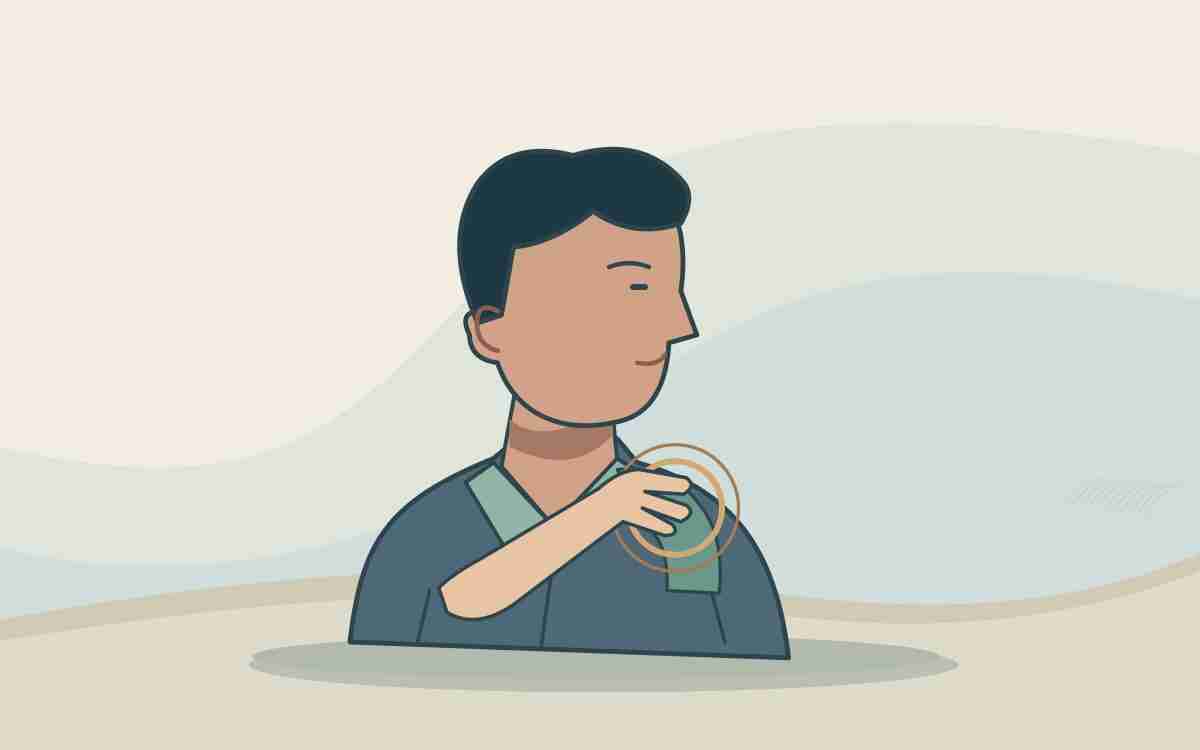
When you have joint or muscle pain, you may wonder: should I see my primary care doctor (PCP) or go straight to an orthopedist? The answer depends on the injury, the severity, and what treatment you might need. For most musculoskeletal problems, starting with primary care is efficient, cost-effective, and gets you treatment faster.
At Paeon Health in Bolingbrook, IL, Walid Sayyed, MD, manages many joint and muscle conditions directly — including shoulder and knee injections — and refers to orthopedics when surgery or specialized care is needed. This article helps you decide.
What a PCP Can Handle
Primary care physicians are trained to evaluate and treat most common musculoskeletal problems, including:
- Back and neck pain — strains, sciatica, arthritis; most improve with conservative care.
- Knee pain — arthritis, bursitis, tendonitis, minor sprains; including knee injections.
- Shoulder pain — rotator cuff tendonitis/impingement, bursitis, frozen shoulder; including shoulder injections.
- Sprains and strains — ankles, wrists, muscles.
- Arthritis evaluation and management — including workup for inflammatory types and rheumatology referral.
- Osteoporosis screening and management — bone density testing referral and treatment.
- Overuse injuries — tennis elbow, golfer’s elbow, shin splints.
- Initial fracture evaluation — X-ray ordering and splinting; referral for complex fractures.
A PCP can also consider whether pain might be coming from somewhere else — for example, shoulder pain from the neck or heart, hip pain from the back, knee pain from the hip — and check overall health factors (diabetes, weight, medications) that affect healing.
When to See an Orthopedist Directly
Orthopedists specialize in surgical and nonsurgical treatment of bones, joints, ligaments, tendons, and muscles. Consider going directly — or being referred promptly — if you have:
- A major injury with obvious deformity, inability to bear weight, or suspected fracture/dislocation. (Go to the ER for severe trauma.)
- A complete tendon or ligament rupture — e.g., a torn Achilles tendon, or an ACL tear with instability.
- A suspected rotator cuff tear with significant weakness — orthopedic evaluation for possible repair.
- Severe arthritis that has not responded to conservative treatment, where joint replacement may be considered.
- A condition requiring surgery that has already been diagnosed.
- A child’s growth-plate injury — pediatric orthopedics may be needed.
Many orthopedists require a referral from your PCP, depending on your insurance plan. Starting with your PCP often saves time and money, and the PCP can initiate treatment while arranging the referral.
What to Expect If You Start with PCP
At Paeon Health, a musculoskeletal visit typically includes:
- History and physical exam — identifying the likely cause.
- X-ray if indicated — ordered in-office or at an imaging center.
- Initial treatment — activity modification, pain management, brace or splint, physical therapy referral, and/or joint injection.
- Follow-up — checking progress. If you are not improving as expected, or if exam/imaging shows a surgical problem, Dr. Sayyed refers you to an orthopedist with the relevant imaging and notes in hand.
- Coordinated care — your PCP continues to manage your overall health while the orthopedist manages the specific injury.
Telehealth follow-up across Illinois is available when clinically appropriate, with the patient physically in Illinois. Physical exams, injections, and X-rays are done in person at our Bolingbrook office.
Cost and Insurance Considerations
- A PCP visit typically has a lower copay and self-pay price than a specialist visit. Self-pay Established Follow-Up at Paeon Health is $150; Same-Week Sick Visit is $175. Injections, imaging, and physical therapy are extra.
- Many insurance plans require a referral from a PCP to see an orthopedist; without one, coverage may be reduced or denied.
- Ask your insurer whether your specific visit at the Bolingbrook office is covered. A Good Faith Estimate is available.
FAQ
Can a PCP order an MRI? Yes. PCPs can order MRI and other imaging when indicated. Often X-ray and exam come first, since MRI is not needed for most routine musculoskeletal pain.
Will an orthopedist see me without a referral? Some do; many require it. Check with your insurance plan and the orthopedist’s office.
How long should I try conservative care before seeing orthopedics? It depends on the condition. Many strains improve in 2–6 weeks. If pain is severe, there is weakness or instability, or you are not improving, ask your PCP about referral sooner.
Can my PCP do surgery? No. PCPs do not perform surgery. They provide conservative treatment and refer when surgery is needed.
What if I already know I need surgery? You can still start with your PCP for evaluation, imaging, and a coordinated referral — or go directly to an orthopedist if your plan allows.
Schedule a Primary Care Visit
For most joint and muscle pain, your primary care doctor is the right first step. Book an appointment with Walid Sayyed, MD, at Paeon Health in Bolingbrook, IL, via Elation online scheduling, or call 630-822-2242. Same-week sick visits are available.
Related Paeon Health services and resources
About this article

Article last updated
References
This article is for general education and does not replace medical advice from your clinician. For a medical emergency, call 911. For personal medical questions, use the secure patient portal.
To discuss your health with Dr. Sayyed, choose an appointment or call 630-822-2242.