
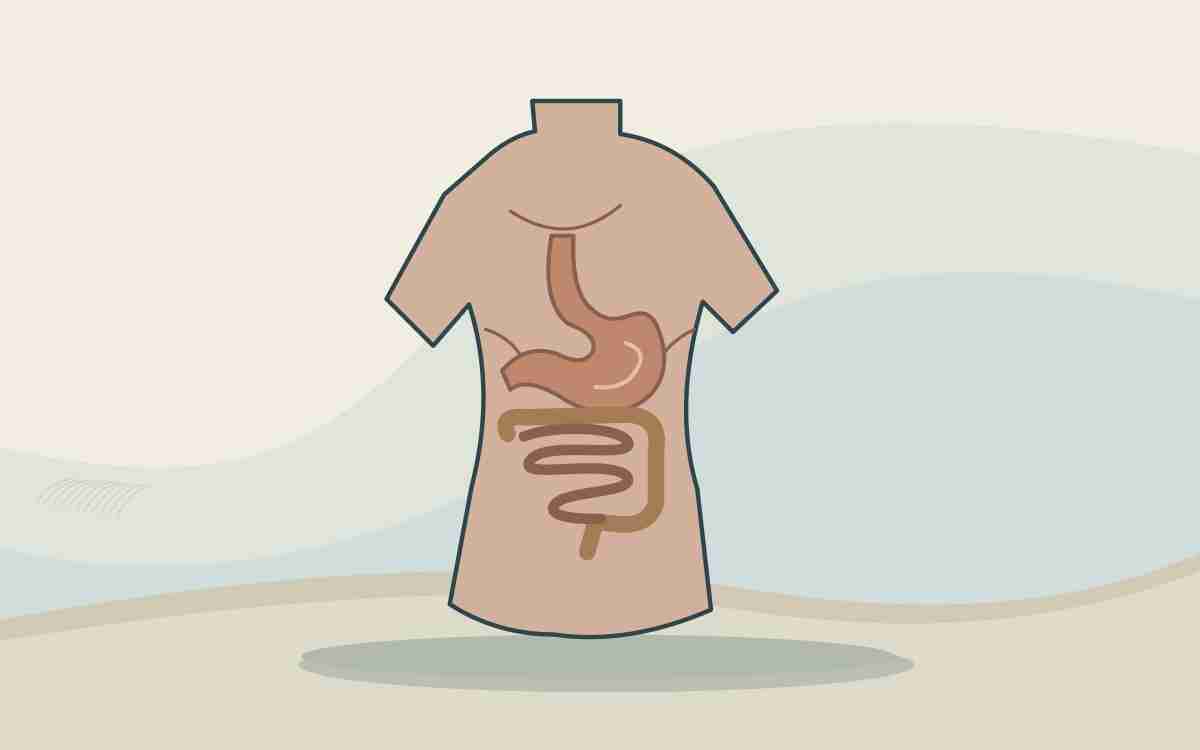
Irritable bowel syndrome (IBS) is a common, chronic disorder of the gut-brain interaction. It causes abdominal pain and changes in bowel habits — but it does not cause permanent damage or increase cancer risk, and it does not lead to inflammatory bowel disease (Crohn’s or ulcerative colitis). That distinction matters, because IBS is manageable, and many people control it well with diet, stress management, and medication when needed.
At Paeon Health in Bolingbrook, IL, Walid Sayyed, MD, evaluates digestive symptoms, rules out more serious conditions, and helps patients manage IBS as part of primary care.
Common Symptoms of IBS
IBS is defined by abdominal pain associated with defecation, plus a change in stool frequency or form. Symptoms include:
- Abdominal pain or cramping, often relieved by a bowel movement
- Bloating and gas
- Diarrhea, constipation, or alternating between the two
- Mucus in the stool
- A feeling of incomplete evacuation
Symptoms often flare with stress, certain foods, hormonal changes, or illness. IBS is categorized by the predominant bowel pattern: IBS-D (diarrhea), IBS-C (constipation), IBS-M (mixed), or IBS-U (unclassified).
Red Flags: When to Worry
IBS is a diagnosis of pattern — but some symptoms warrant prompt evaluation to rule out other conditions. See a doctor promptly if you have:
- Blood in the stool or black, tarry stools
- Unintentional weight loss
- Fever with abdominal pain
- Anemia or fatigue
- Symptoms starting after age 50
- A family history of colon cancer, celiac disease, or inflammatory bowel disease
- Diarrhea that wakes you from sleep
- Persistent vomiting or inability to eat
These do not necessarily mean something serious, but they should be evaluated.
How IBS Is Diagnosed
There is no single test for IBS. Diagnosis is based on:
- Symptom pattern — meeting established criteria (recurrent abdominal pain at least one day a week in the last three months, associated with two or more of: related to defecation, change in stool frequency, change in stool form).
- Ruling out other conditions — celiac disease (blood test), inflammatory bowel disease, infection, lactose intolerance, and sometimes colon cancer screening depending on age and symptoms.
- Lab work — complete blood count, inflammation markers, celiac screening, and thyroid function as indicated.
- Stool testing — if infection or other causes are suspected.
- Colonoscopy referral — for patients over 45–50 (routine screening age), or younger patients with alarm features.
At Paeon Health, Dr. Sayyed takes a careful history, orders appropriate testing, and refers to gastroenterology when needed.
Management: What Helps
IBS management is individualized. Common, evidence-based approaches include:
- Diet — identifying trigger foods. A low-FODMAP diet (under guidance of a dietitian) can help many people with IBS. Common triggers include certain carbohydrates, dairy, caffeine, alcohol, fatty foods, and artificial sweeteners. Keeping a food-symptom diary helps.
- Fiber — for IBS-C, gradual fiber increase (often soluble fiber like psyllium) can help. For IBS-D, insoluble fiber may worsen symptoms.
- Probiotics — some strains help some people; evidence is mixed, and quality varies.
- Stress management — the gut-brain connection is strong. Relaxation techniques, regular exercise, adequate sleep, and therapy (especially CBT) can reduce flares.
- Medication — depending on subtype, various prescription and over-the-counter options may be discussed (antispasmodics, anti-diarrheals, laxatives, or prescription IBS medications). Specific choices are made in person with your physician.
- Treatment of SIBO or other identified contributors — if testing suggests them.
Telehealth follow-up across Illinois is available when clinically appropriate, with the patient physically in Illinois. Physical exams and some testing are done in person.
FAQ
Is IBS the same as IBD? No. IBD (Crohn’s disease, ulcerative colitis) involves inflammation and damage to the bowel. IBS does not cause inflammation or permanent damage.
Can IBS be cured? There is no cure, but most people manage symptoms well with diet, lifestyle, and medication when needed. Flares can become less frequent over time.
Do I need a special diet? Not everyone. A food diary and trial elimination of common triggers often helps. A low-FODMAP diet should be done with guidance, ideally from a dietitian, to avoid nutrient deficiencies.
Does stress cause IBS? Stress does not cause IBS, but it can trigger flares. The gut and brain communicate closely — that is why stress management is part of treatment.
What does a visit cost? Established Follow-Up self-pay is $150. Labs, stool tests, and specialist referrals are extra. Verify your insurance plan and network — a listed carrier does not guarantee coverage.
Schedule a Primary Care Visit
If abdominal pain, bloating, and bowel changes are disrupting your life, a primary care visit can sort out what is going on and start a management plan. Book an appointment with Walid Sayyed, MD, at Paeon Health in Bolingbrook, IL, via Elation online scheduling, or call 630-822-2242.
Related Paeon Health services and resources
About this article

Article last updated
References
- NIDDK — Treatment for irritable bowel syndrome
- American College of Gastroenterology — Irritable bowel syndrome
This article is for general education and does not replace medical advice from your clinician. For a medical emergency, call 911. For personal medical questions, use the secure patient portal.
To discuss your health with Dr. Sayyed, choose an appointment or call 630-822-2242.