
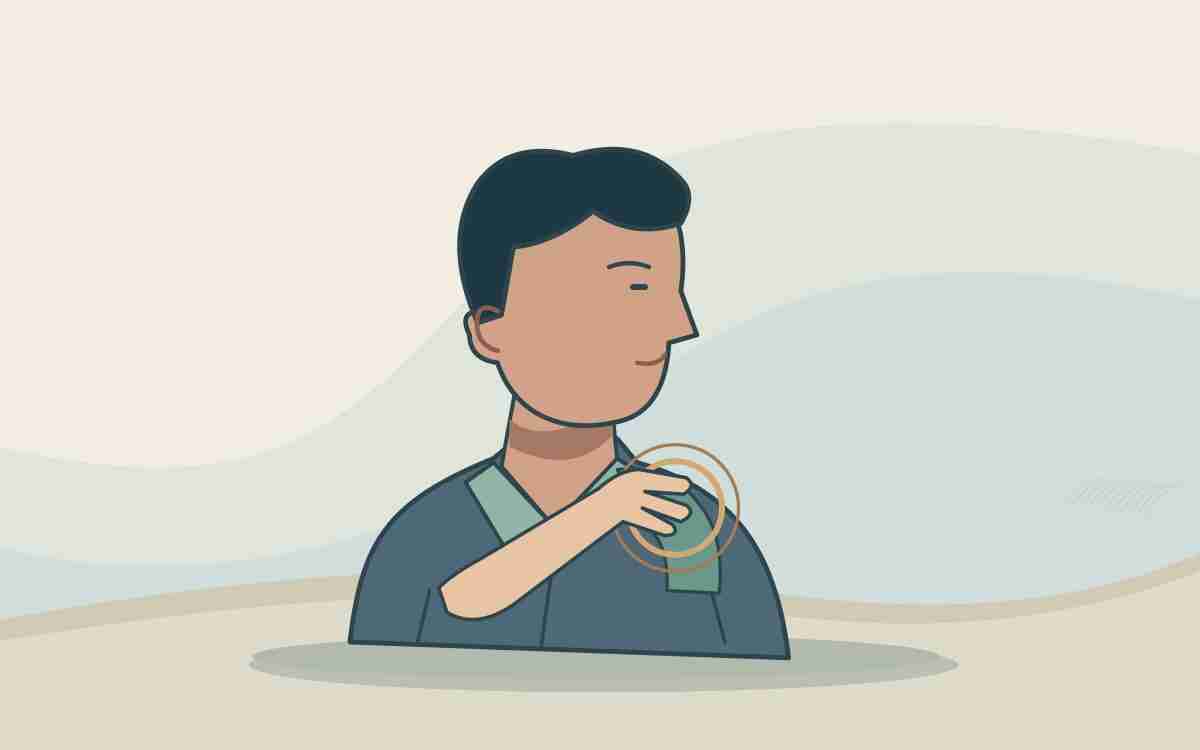
“Arthritis” means joint inflammation, but it is not one disease — it is a group of over 100 conditions affecting joints and surrounding tissue. The most common types are osteoarthritis, rheumatoid arthritis, gout, and psoriatic arthritis. Treatment differs by type, which is why an accurate diagnosis matters.
At Paeon Health in Bolingbrook, IL, Walid Sayyed, MD, evaluates and manages common forms of arthritis, including joint injections for osteoarthritis, and refers to rheumatology for inflammatory types that need specialized care.
Common Types of Arthritis
Osteoarthritis (OA)
The most common form, often called “wear-and-tear” arthritis. Cartilage that cushions the ends of bones wears down over time, causing pain, stiffness, and reduced motion. It most often affects knees, hips, hands, and the spine. Risk factors include age, prior joint injury, obesity, genetics, and repetitive joint use.
Rheumatoid Arthritis (RA)
An autoimmune disease in which the body’s immune system attacks the joint lining (synovium), causing painful swelling, warmth, and eventually joint damage. It often affects hands, wrists, and feet symmetrically (both sides), and can cause fatigue, fever, and morning stiffness lasting over an hour. RA can also affect other organs. Early treatment is important to prevent joint damage.
Gout
A form of inflammatory arthritis caused by uric acid crystals depositing in a joint — often the big toe, but also ankles, knees, and wrists. Attacks come on suddenly, often at night, with severe pain, redness, warmth, and swelling. Diet, alcohol, certain medications, and kidney function can trigger attacks.
Psoriatic Arthritis
Occurs in some people with the skin condition psoriasis. It causes joint pain, stiffness, and swelling, and can affect fingers, toes, and the spine. Nail changes and eye inflammation can accompany it.
Other types
Juvenile arthritis, lupus-related arthritis, ankylosing spondylitis (spine), and reactive arthritis are less common but important to recognize.
Signs That Warrant a Visit
See a doctor if you have:
- Joint pain that persists beyond a few weeks
- Morning stiffness lasting more than 30–60 minutes
- Swelling, redness, or warmth in a joint
- Pain in multiple joints, especially symmetrically
- Fever, fatigue, or weight loss with joint pain
- A sudden, very painful, red, hot joint (possible gout or infection — infection is an emergency)
- Difficulty using the joint or performing daily activities
What a Primary Care Evaluation Includes
At Paeon Health, an arthritis workup may include:
- History — which joints, pattern (symmetric vs. one joint), morning stiffness duration, triggers, family history, skin or nail changes.
- Physical exam — checking each affected joint for swelling, warmth, tenderness, range of motion, and deformity.
- Lab work — inflammatory markers (ESR, CRP), rheumatoid factor and anti-CCP antibodies for RA, uric acid for gout, and other tests as indicated.
- X-rays — to look at joint space, bone spurs, and erosions.
- Joint fluid analysis — for a swollen, painful joint, fluid may be drawn (often by a specialist) to distinguish gout, infection, and other inflammatory arthritis.
Management by Type
- Osteoarthritis — exercise and physical therapy, weight management if relevant, pain management (topical and oral options chosen with your health in mind), assistive devices, and knee or shoulder injections when appropriate. Joint replacement referral for severe cases.
- Rheumatoid arthritis — prompt referral to rheumatology for disease-modifying medications (DMARDs) that prevent joint damage. Your PCP coordinates care and manages overall health.
- Gout — treating acute attacks, then discussing long-term medication to lower uric acid if attacks are frequent, plus dietary and alcohol modifications.
- Psoriatic arthritis — rheumatology and/or dermatology referral; your PCP coordinates.
Across all types, staying active within pain limits, maintaining a healthy weight, and protecting joints from overuse help. Telehealth follow-up across Illinois is available when clinically appropriate, with the patient physically in Illinois. Injections and physical exams are done in person.
FAQ
Is arthritis just part of aging? Osteoarthritis becomes more common with age, but it is not inevitable, and pain can be managed. Inflammatory types like RA can occur at any age.
Can arthritis be cured? There is no cure for most forms, but treatment can control symptoms, slow damage, and preserve function — especially when started early.
Should I exercise with arthritis? Yes, usually. Low-impact activity (walking, swimming, cycling, gentle strength training) reduces pain and improves function. A physical therapist can design a safe program.
Does diet help arthritis? For gout, limiting alcohol, sugary drinks, and high-purine foods can reduce attacks. For other types, a balanced diet supporting a healthy weight is most important.
What does a visit cost? Established Follow-Up self-pay is $150; labs, X-rays, injections, and medications are extra. Verify your insurance plan and network — a listed carrier does not guarantee coverage. A Good Faith Estimate is available.
Next steps
If joint pain, stiffness, or swelling is affecting your daily life, an accurate diagnosis is the first step to effective treatment. Book an appointment with Walid Sayyed, MD, at Paeon Health in Bolingbrook, IL, via the Elation Patient Passport portal, or call 630-822-2242.
About this article

Article last updated
References
This article is for general education and does not replace medical advice from your clinician. For a medical emergency, call 911. For personal medical questions, use the secure patient portal.
To discuss your health with Dr. Sayyed, choose an appointment or call 630-822-2242.