
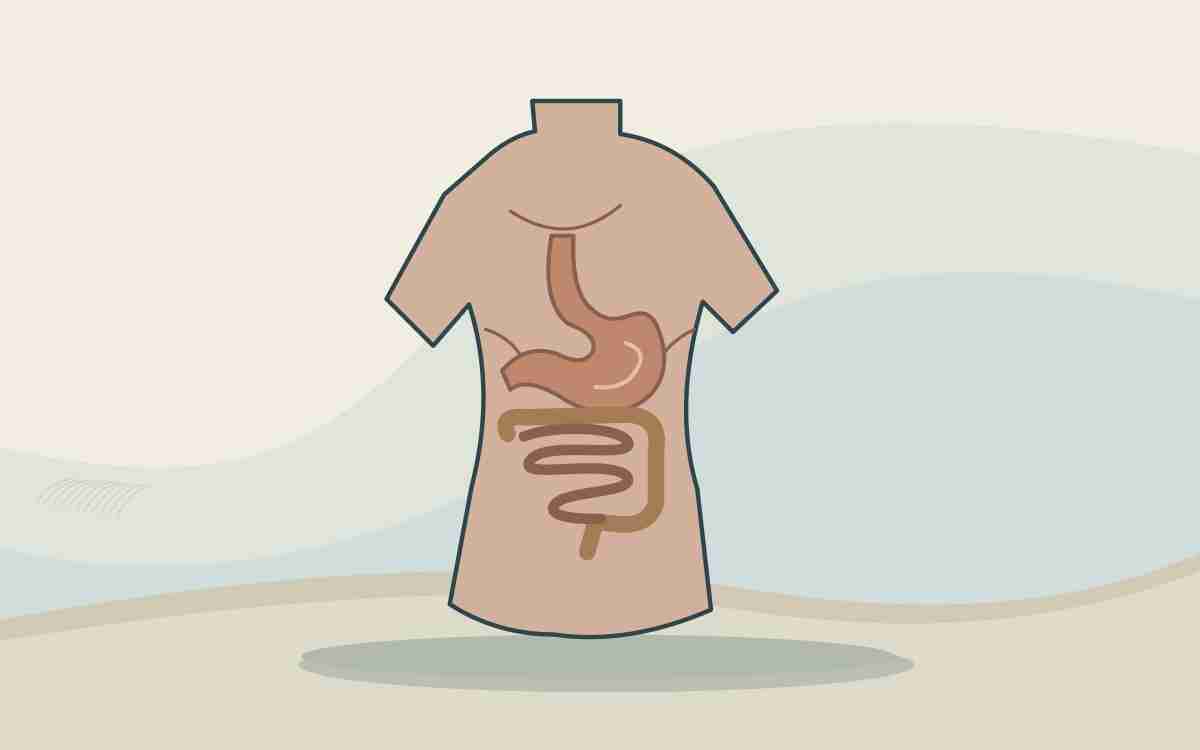
Your liver performs hundreds of essential jobs — filtering blood, making proteins, storing energy, processing medications, and producing bile for digestion. When too much fat builds up in liver cells, it is called fatty liver disease. It is often silent in early stages, but over time it can lead to inflammation, scarring (cirrhosis), and reduced liver function. The good news: early fatty liver is often reversible with lifestyle changes.
At Paeon Health in Bolingbrook, IL, Walid Sayyed, MD, screens for and monitors fatty liver disease as part of primary care — because it often goes hand in hand with diabetes, high blood pressure, high cholesterol, and weight.
Types of Fatty Liver Disease
- NAFLD (non-alcoholic fatty liver disease) — fat in the liver in people who drink little or no alcohol. It is the most common chronic liver disease in the United States, closely linked to metabolic syndrome (obesity, diabetes, high blood pressure, high cholesterol).
- MASH (metabolic dysfunction-associated steatohepatitis, formerly NASH) — a more serious form where fat causes inflammation and liver cell damage. Over years, it can lead to fibrosis, cirrhosis, liver failure, and rarely liver cancer.
- Alcohol-related fatty liver disease — caused by heavy alcohol use. Stopping alcohol can reverse early changes.
Many people have fatty liver without knowing it. It is often found incidentally on blood tests (elevated liver enzymes) or imaging done for another reason.
Risk Factors
- Overweight or obesity, especially abdominal fat
- Type 2 diabetes or prediabetes
- High blood pressure
- High cholesterol or triglycerides
- Metabolic syndrome
- Heavy alcohol use
- Certain medications
- Older age
- Sleep apnea
- Rapid weight loss
Symptoms
Early fatty liver usually causes no symptoms. As it progresses, some people notice:
- Fatigue
- Dull pain or fullness in the upper right abdomen
- Unexplained weight loss
- Weakness
- Yellowing of skin or eyes (jaundice) — a sign of advanced liver disease
- Swelling of legs or abdomen — advanced disease
- Itching — can occur with advanced disease
Because early stages are silent, screening is important for people with risk factors.
How Primary Care Evaluates Liver Health
At Paeon Health, a liver evaluation may include:
- History — alcohol use, medications, supplements, weight changes, family history of liver disease.
- Physical exam — checking for liver enlargement, jaundice, signs of chronic liver disease.
- Lab work — liver function tests (ALT, AST, ALP, bilirubin, albumin), complete blood count, and metabolic panel.
- Viral hepatitis testing — hepatitis B and C, if indicated.
- Imaging referral — ultrasound, FibroScan (elastography), or CT/MRI to assess fat and scarring, when indicated.
- Assessment of metabolic health — A1c, cholesterol, blood pressure, weight, since these drive NAFLD.
- Specialist referral — to hepatology or gastroenterology if advanced disease, unclear cause, or cirrhosis is suspected.
What You Can Do
For NAFLD/MASH, the most effective treatment is lifestyle:
- Weight loss — even 5–10% of body weight can reduce liver fat. Gradual, sustained loss is best; rapid weight loss can worsen liver stress.
- Healthy eating pattern — less added sugar, refined carbohydrates, and ultra-processed foods; more vegetables, whole grains, lean protein, and healthy fats.
- Regular physical activity — both aerobic exercise and strength training help, independent of weight loss.
- Manage diabetes, blood pressure, and cholesterol — controlling these conditions protects the liver. Some diabetes medications have shown benefit for fatty liver.
- Limit or avoid alcohol — especially if liver enzymes are elevated.
- Review medications and supplements — some (including certain herbal supplements) can affect the liver. Dr. Sayyed reviews all medications and supplements.
- Avoid unregulated “liver detox” products — they are not proven and can be harmful.
There is no specific medication approved for all fatty liver, though some diabetes and weight-management medications may be considered when appropriate. Specific decisions are made in person with your physician.
FAQ
Is fatty liver reversible? Early fatty liver (simple steatosis) is often reversible with weight loss and lifestyle changes. Once cirrhosis develops, damage may be permanent, but progression can be slowed.
Can I drink alcohol with fatty liver? If you have NAFLD, limiting or avoiding alcohol is generally recommended, since alcohol adds additional liver stress. Ask your doctor what is right for you.
Do I need a liver biopsy? Usually not. Most cases are assessed with blood tests and non-invasive imaging (ultrasound, FibroScan). Biopsy is reserved for uncertain or advanced cases.
How often should I be monitored? It depends on severity. Many patients have liver enzymes checked every 6–12 months, with periodic imaging. Your doctor will set a schedule.
What does a visit cost? Established Follow-Up self-pay is $150; Annual Physical is $225. Labs and imaging are extra. Verify your insurance plan and network — a listed carrier does not guarantee coverage.
Next steps
If you have diabetes, high blood pressure, high cholesterol, or carry extra weight — or if routine labs showed elevated liver enzymes — a primary care visit can assess your liver health and start a plan. Book an appointment with Walid Sayyed, MD, at Paeon Health in Bolingbrook, IL, via the Elation Patient Passport portal, or call 630-822-2242.
About this article

Article last updated
References
- NIDDK — Treatment of fatty liver disease
- AASLD — Clinical assessment and management of fatty liver disease
This article is for general education and does not replace medical advice from your clinician. For a medical emergency, call 911. For personal medical questions, use the secure patient portal.
To discuss your health with Dr. Sayyed, choose an appointment or call 630-822-2242.