
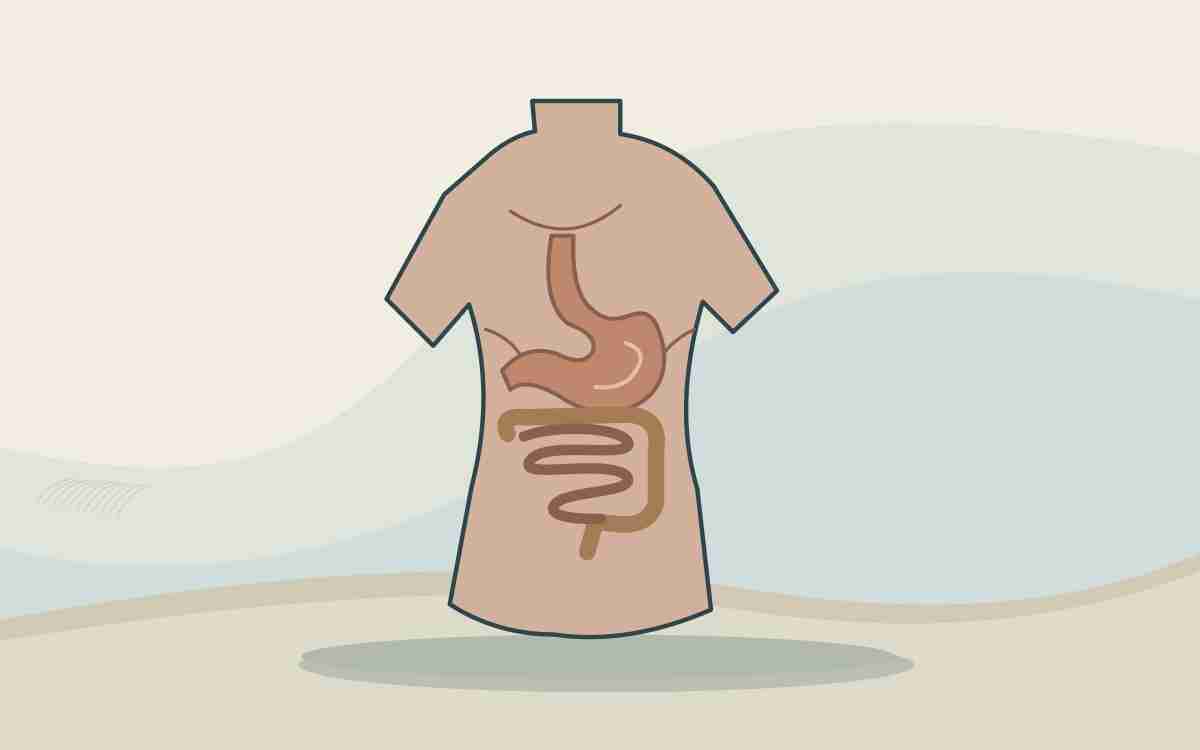
Almost everyone has heartburn occasionally — that burning sensation behind the breastbone after a spicy meal or lying down. When it happens frequently (typically twice a week or more), or when it interferes with sleep and daily life, it may be GERD (gastroesophageal reflux disease). Over time, untreated GERD can damage the esophagus, so it is worth addressing.
At Paeon Health in Bolingbrook, IL, Walid Sayyed, MD, evaluates and treats acid reflux and GERD as part of primary care, referring to gastroenterology when endoscopy or specialized care is needed.
What Is Acid Reflux vs GERD?
When you swallow, food travels down the esophagus and through a muscular valve (lower esophageal sphincter) into the stomach. If that valve relaxes or weakens, stomach acid can flow back up (reflux), irritating the esophagus.
- Occasional acid reflux — mild, infrequent heartburn, often managed with lifestyle changes and over-the-counter antacids.
- GERD — chronic, frequent reflux with symptoms or complications. Diagnosis is based on symptoms and sometimes testing.
Common symptoms include:
- Burning in the chest (heartburn), often after meals or at night
- Regurgitation of sour-tasting food or liquid
- Difficulty swallowing (dysphagia)
- Sensation of a lump in the throat
- Chronic cough, hoarseness, or sore throat (especially in the morning)
- Worsening asthma
- Chest pain — always worth evaluating to rule out heart causes
Lifestyle Measures That Help
Many people reduce symptoms significantly with changes:
- Eat smaller, more frequent meals rather than large ones.
- Avoid lying down for 2–3 hours after eating.
- Elevate the head of the bed by 6–8 inches (blocks under the bed frame or a wedge pillow), especially if nighttime reflux is a problem.
- Identify and avoid triggers — common ones include spicy or fatty foods, citrus, tomato products, chocolate, mint, caffeine, alcohol, and carbonated drinks. Triggers vary by person.
- Lose weight if overweight — excess abdominal pressure pushes stomach acid upward.
- Avoid tight clothing around the abdomen.
- Quit smoking — smoking weakens the esophageal sphincter and reduces saliva (which neutralizes acid).
When to See a Doctor
Schedule a visit if you have:
- Frequent heartburn (twice a week or more) despite lifestyle changes
- Symptoms that wake you at night
- Difficulty swallowing or pain with swallowing
- Unintentional weight loss
- Persistent nausea, vomiting, or loss of appetite
- Black or bloody stools
- Anemia or fatigue (possible slow bleeding)
- Symptoms lasting more than a few weeks
Seek emergency care for chest pain with shortness of breath, sweating, jaw or arm pain — these can signal a heart attack. Do not assume chest pain is reflux.
What a Primary Care Evaluation Includes
At Paeon Health, a reflux visit typically includes:
- History — symptoms, triggers, timing, medications, and any alarm features.
- Physical exam.
- Medication review — some medications (certain blood pressure drugs, osteoporosis drugs, NSAIDs, and others) can worsen reflux.
- Trial of medication — often a proton pump inhibitor (PPI) or H2 blocker. If symptoms improve, that supports the diagnosis. Specific medication and dose are chosen in person with your physician.
- Testing referral — if symptoms are persistent, severe, or have alarm features, Dr. Sayyed may refer to gastroenterology for endoscopy, or order other tests.
- H. pylori testing — if ulcer disease is suspected.
Long-term use of acid-suppressing medication is reviewed periodically, since it can have side effects and interactions. The goal is the lowest effective dose.
FAQ
Is GERD serious? It is common and treatable. Untreated, it can lead to esophagitis, strictures, Barrett’s esophagus (a precancerous change), and rarely esophageal cancer. That is why persistent symptoms deserve evaluation.
Can I just take antacids every day? Occasional antacids are fine for many people, but if you need them frequently, see a doctor — frequent symptoms may need evaluation and a more targeted plan.
Will I need an endoscopy? Not everyone. Endoscopy is considered for persistent symptoms, alarm features, long-standing GERD, or to evaluate complications.
Does diet really matter? Yes. Trigger foods vary, but weight, meal timing, and lying down after eating affect nearly everyone with reflux.
What does a visit cost? Established Follow-Up self-pay is $150; Same-Week Sick Visit is $175. Medications, labs, and specialist referrals are extra. Verify your insurance plan and network — a listed carrier does not guarantee coverage.
Next steps
If heartburn or reflux is frequent, waking you at night, or not responding to lifestyle changes, a primary care visit can help. Book an appointment with Walid Sayyed, MD, at Paeon Health in Bolingbrook, IL, via the Elation Patient Passport portal, or call 630-822-2242.
About this article

Article last updated
References
- NIDDK — Treatment for acid reflux and GERD
- American College of Gastroenterology — Acid reflux and GERD
This article is for general education and does not replace medical advice from your clinician. For a medical emergency, call 911. For personal medical questions, use the secure patient portal.
To discuss your health with Dr. Sayyed, choose an appointment or call 630-822-2242.