
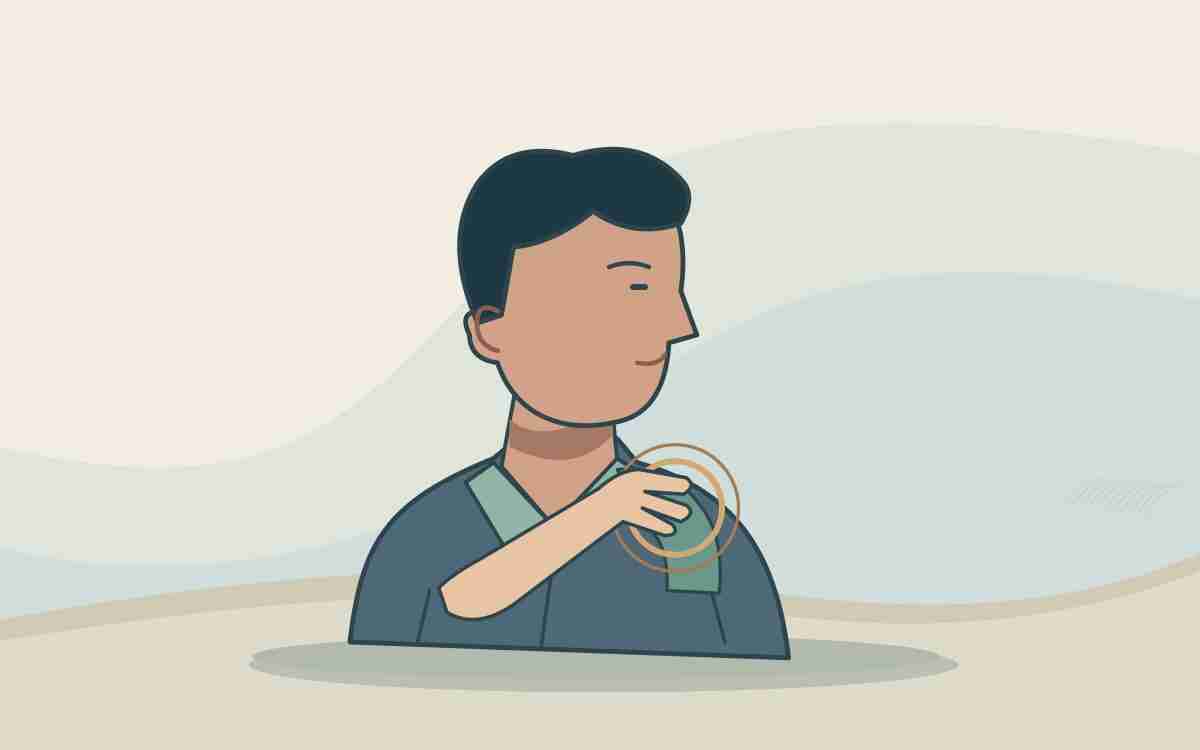
The shoulder is the most mobile joint in the body — and that mobility comes at a cost. It relies on muscles, tendons, and ligaments rather than a deep bony socket, making it vulnerable to injury and overuse. Shoulder pain is common, and most causes respond well to conservative treatment.
At Paeon Health in Bolingbrook, IL, Walid Sayyed, MD, evaluates shoulder pain and offers shoulder injections when appropriate, referring to orthopedics or physical therapy as needed. This article covers common causes, what to expect at a visit, and treatment options.
Common Causes of Shoulder Pain
- Rotator cuff disorders — the rotator cuff is a group of four tendons that stabilize and move the shoulder. Tendonitis (inflammation), impingement (pinching), and tears are common, especially with repetitive overhead activity or age.
- Bursitis — inflammation of the bursa (fluid-filled sac) between the rotator cuff and the bone, often causing pain with overhead movement.
- Frozen shoulder (adhesive capsulitis) — progressive stiffness and pain that limits range of motion; more common in people with diabetes, thyroid disease, or after prolonged immobility.
- Osteoarthritis — wear-and-tear of the joint, causing pain and stiffness.
- Shoulder instability or dislocation — often from injury; the shoulder may feel loose or slip.
- Fracture — after a fall or trauma.
- Referred pain — sometimes shoulder pain comes from the neck (cervical spine) or, rarely, from the heart or abdomen. Left shoulder pain with chest pressure or shortness of breath needs emergency evaluation.
When to Seek Care Promptly
Seek emergency care if shoulder pain comes with:
- Chest pressure, shortness of breath, sweating, or jaw pain — possible heart attack, especially left shoulder
- Obvious deformity or the shoulder looking out of place (dislocation)
- Inability to move the arm after an injury
- Severe swelling or bruising
- Fever with a red, hot, swollen shoulder (possible infection)
For other shoulder pain, a routine or same-week appointment is usually appropriate.
What a Primary Care Evaluation Includes
At Paeon Health, a shoulder visit typically involves:
- History — onset (injury vs. gradual), what movements hurt, weakness, stiffness, nighttime pain, and prior shoulder problems.
- Physical exam — checking range of motion (active and passive), strength, tenderness, and specific tests for rotator cuff impingement, instability, and frozen shoulder.
- X-ray — to look at bone, joint space, arthritis, and calcifications; often ordered in-office or at an imaging center.
- Possible MRI or ultrasound referral — if a rotator cuff tear is suspected and it would change treatment.
- Assessment of the neck — to rule out referred pain from the cervical spine.
Treatment Options
Treatment depends on the cause and severity:
- Rest and activity modification — avoiding overhead lifting and aggravating movements, but not complete immobilization (which can lead to frozen shoulder).
- Ice or heat — ice for acute inflammation; heat for stiffness.
- Physical therapy referral — exercises to strengthen the rotator cuff and improve range of motion are a mainstay of treatment for most shoulder conditions.
- Pain management — over-the-counter or prescription options, chosen with your health and other medications in mind.
- Shoulder injections — when appropriate, Dr. Sayyed performs shoulder injections (corticosteroid or other indicated injections) into the subacromial space or joint to reduce inflammation and pain. This can provide significant relief and allow more effective physical therapy.
- Frozen shoulder treatment — often requires a longer course of stretching, physical therapy, and sometimes injections; manipulation under anesthesia is rarely needed.
- Orthopedic referral — for full-thickness rotator cuff tears, instability, fractures, or cases that do not improve with conservative care.
Telehealth follow-up across Illinois is available when clinically appropriate, with the patient physically in Illinois. Injections and physical exams are done in person at our Bolingbrook office.
FAQ
How do I know if I have a rotator cuff tear? Signs include weakness lifting the arm, pain at night, and pain with overhead activity. An exam and sometimes imaging confirm it. Many partial tears improve without surgery.
Can a primary care doctor give a shoulder injection? Yes. Dr. Sayyed performs shoulder and knee injections at Paeon Health when clinically appropriate.
What is frozen shoulder? It is progressive stiffness and loss of motion, often lasting months to a couple of years. Early treatment with stretching and therapy can shorten the course.
Will I need surgery? Most shoulder pain improves with conservative treatment. Surgery is considered for full-thickness tears, significant instability, or severe arthritis that does not respond.
What does a shoulder injection visit cost? Established Follow-Up self-pay is $150; the injection medication and any imaging are extra. Verify your insurance plan and network — a listed carrier does not guarantee coverage.
Schedule a Primary Care Visit
If shoulder pain is limiting your ability to dress, sleep, work, or exercise, a primary care visit can identify the cause and start treatment — often including injection therapy. Book with Walid Sayyed, MD, at Paeon Health in Bolingbrook, IL, via Elation online scheduling, or call 630-822-2242.
Related Paeon Health services and resources
About this article

Article last updated
References
This article is for general education and does not replace medical advice from your clinician. For a medical emergency, call 911. For personal medical questions, use the secure patient portal.
To discuss your health with Dr. Sayyed, choose an appointment or call 630-822-2242.