
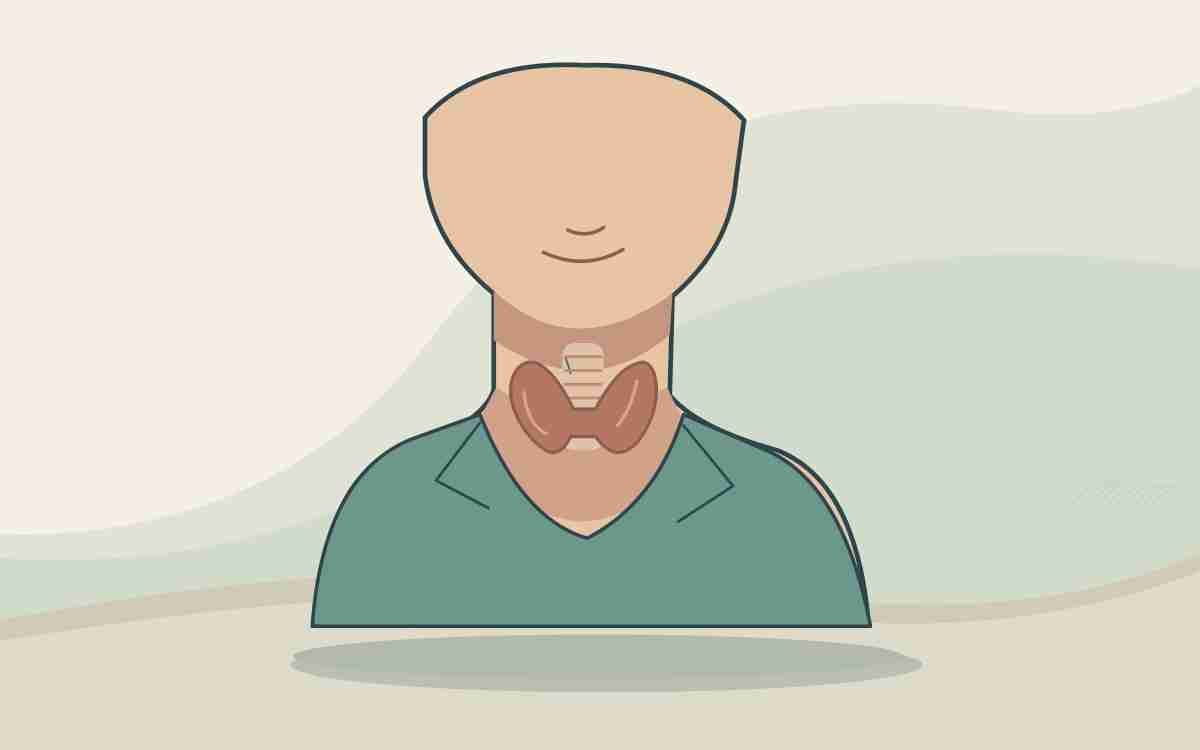
Hashimoto’s disease is the most common cause of hypothyroidism in the United States, and it is also one of the most common autoimmune conditions overall. If you have been told your thyroid is “slow” or you have positive thyroid antibodies, understanding Hashimoto’s helps you participate in your care. At Paeon Health in Bolingbrook, IL, Dr. Walid Sayyed, MD, helps patients understand Hashimoto’s, monitor it, and manage it as part of long-term primary care.
What Is Hashimoto’s Disease?
Hashimoto’s disease, also called chronic lymphocytic thyroiditis or autoimmune thyroiditis, is a condition in which the immune system gradually attacks the thyroid gland. Over time, the thyroid becomes damaged and may produce less hormone, leading to hypothyroidism.
It is named after the Japanese physician who first described it. It runs in families and is much more common in women, though men can develop it too. It often appears in middle age but can start at any time, including after pregnancy.
Not everyone with Hashimoto’s develops hypothyroidism immediately. Some people have positive antibodies and normal thyroid function for years, a state monitored by primary care.
Symptoms of Hashimoto’s
In early stages, there may be no symptoms at all. As thyroid function declines, symptoms of hypothyroidism may appear gradually:
- Fatigue and low energy
- Weight gain or difficulty losing weight
- Cold intolerance
- Dry skin, brittle nails, hair thinning
- Constipation
- Brain fog, memory issues, difficulty concentrating
- Depression or low mood
- Muscle aches and joint stiffness
- Heavy or irregular periods
- A painless enlarged thyroid (goiter) in some people
Because these symptoms overlap with many other conditions, antibody testing and TSH labs help clarify whether Hashimoto’s is driving them.
How Hashimoto’s Is Diagnosed
Diagnosis typically combines symptoms, physical exam, and labs:
- TSH — often elevated when hypothyroidism develops.
- Free T4 — may be low or normal depending on stage.
- Thyroid peroxidase antibodies (TPOAb) — positive in most people with Hashimoto’s. Thyroglobulin antibodies may also be checked.
Sometimes an ultrasound of the thyroid is ordered if the gland feels enlarged or nodular. Primary care can order and interpret these tests; referral to endocrinology is considered for complex cases, nodules, or pregnancy planning.
It is worth noting: positive antibodies alone do not automatically mean treatment. If TSH is normal and you feel well, monitoring may be the right approach. Treatment is generally started when TSH is elevated, especially with symptoms.
How Primary Care Manages Hashimoto’s
At Paeon Health, management is individualized:
- Medication when needed: If hypothyroidism develops, thyroid hormone replacement is the standard treatment. Dose is adjusted based on repeat labs and symptoms.
- Regular monitoring: TSH is checked periodically — more often when adjusting medication, less often once stable. Antibody levels do not need frequent rechecking.
- Lifestyle support: Balanced nutrition, regular physical activity, adequate sleep, and stress management support overall well-being. There is no single “Hashimoto’s diet” proven to cure the condition, but some patients feel better identifying food sensitivities with their provider’s guidance.
- Addressing related conditions: Autoimmune conditions sometimes cluster. Your provider may screen for other concerns like vitamin D deficiency, anemia, or celiac disease when symptoms suggest.
- Pregnancy planning: Thyroid needs change during pregnancy. If you are planning pregnancy or are pregnant, tell your provider early — monitoring and dose adjustments are common.
What to Expect Long Term
Hashimoto’s is usually a lifelong condition, but it is highly manageable. Many people take a daily medication, have routine labs, and live full active lives. The goal is stable thyroid function and symptom relief — not chasing a single lab number.
Some patients try to manage through supplements or restrictive diets alone. While good nutrition matters, stopping or avoiding indicated medication can lead to worsening hypothyroidism and complications. Always discuss changes with your primary care provider.
FAQ
Q: Is Hashimoto’s the same as hypothyroidism? A: Hashimoto’s is a cause of hypothyroidism. You can have Hashimoto’s with normal thyroid function early on; hypothyroidism is the result when hormone levels drop.
Q: Do I need to avoid gluten or dairy? A: Only if you have a diagnosed sensitivity or celiac disease. There is no universal Hashimoto’s elimination diet. Discuss with your provider before major restrictions.
Q: Can Hashimoto’s go into remission? A: Antibody levels may fluctuate, but the autoimmune tendency typically persists. Thyroid function can be stable with treatment.
Q: Does Hashimoto’s increase cancer risk? A: Hashimoto’s is associated with thyroid inflammation and sometimes nodules, which your provider monitors. Most cases do not lead to thyroid cancer.
Q: How often should I have labs? A: Once stable, many patients check TSH annually or as recommended. More frequent checks happen after dose changes, pregnancy, or new symptoms.
Next steps
If you have a family history of thyroid disease, positive antibodies, or symptoms of an underactive thyroid, schedule a visit with Walid Sayyed, MD, at Paeon Health in Bolingbrook, IL. Book via the Elation Patient Passport, call 630-822-2242, or email care@paeonhealth.com. We care for patients across Bolingbrook, Naperville, Romeoville, and Plainfield. Telehealth across Illinois is available when clinically appropriate.
About this article

Article last updated
References
This article is for general education and does not replace medical advice from your clinician. For a medical emergency, call 911. For personal medical questions, use the secure patient portal.
To discuss your health with Dr. Sayyed, choose an appointment or call 630-822-2242.