
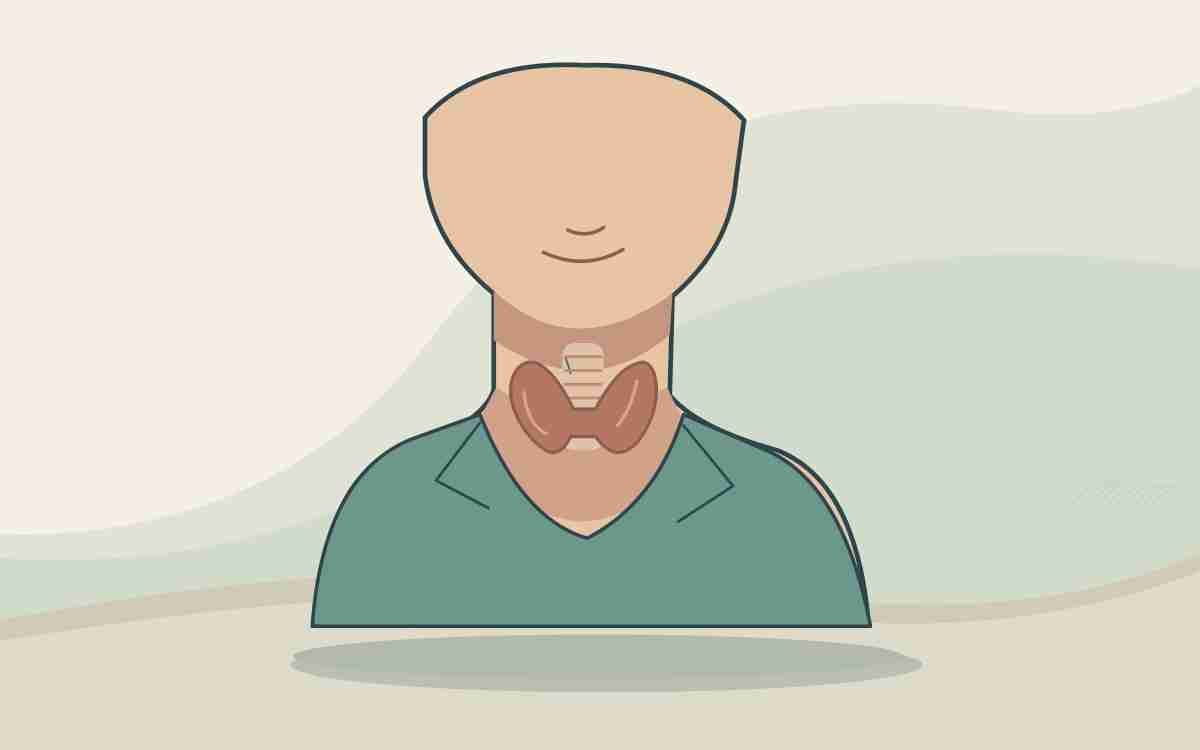
Thyroid labs are among the most commonly ordered blood tests in primary care — and among the most commonly misunderstood. A single number on a lab report does not tell the whole story. At Paeon Health in Bolingbrook, IL, Dr. Walid Sayyed, MD, interprets thyroid testing alongside your symptoms, history, and overall health. This article explains what TSH and other thyroid labs measure, what “normal” means, and why interpretation is individualized.
The Thyroid Axis in Brief
Your thyroid works as part of a feedback loop. The hypothalamus signals the pituitary gland, which releases thyroid-stimulating hormone (TSH). TSH tells the thyroid to make T4 (thyroxine) and a smaller amount of T3 (triiodothyronine), the active hormone. T4 is converted to T3 in tissues throughout the body. When thyroid hormone levels rise, TSH falls; when they fall, TSH rises. This inverse relationship is the key to reading labs.
TSH: The First-Line Test
TSH is usually the first test ordered because it is the most sensitive marker of thyroid function in most people.
- High TSH often suggests an underactive thyroid (hypothyroidism) — the pituitary is working harder to stimulate the gland.
- Low TSH often suggests an overactive thyroid (hyperthyroidism) — the pituitary senses excess hormone and backs off.
What is a “normal” TSH?
Laboratories often report a reference range, commonly roughly 0.4–4.0 mIU/L, but these ranges vary by lab and population. Interpretation is not simply “in range” or “out of range.” Your provider considers:
- Your symptoms and how you feel
- Your age (older adults may have slightly different targets)
- Pregnancy (targets are trimester-specific)
- Whether you already take thyroid medication
- Other medical conditions and medications
- The trend over time, not a single value
For someone on thyroid medication, the target TSH is often narrower and individualized. A result at the edge of the lab range may still need attention if you have symptoms.
Free T4 and Free T3
When TSH is abnormal, or when symptoms are puzzling, your provider may add:
- Free T4 — measures the unbound, active portion of thyroxine. Low free T4 with high TSH confirms hypothyroidism. High free T4 with low TSH suggests hyperthyroidism.
- Free T3 — sometimes ordered when hyperthyroidism is suspected or in specific clinical situations. It is less useful as a routine screening test.
“Free” means the hormone not attached to carrier proteins — this is the biologically active portion. Total T4 and total T3 are older tests used less often today.
Thyroid Antibodies
Antibody tests help identify autoimmune thyroid disease:
- TPO antibodies (thyroid peroxidase) — positive in most people with Hashimoto’s disease.
- Thyroglobulin antibodies — sometimes positive in Hashimoto’s.
- TSI (thyroid-stimulating immunoglobulin) — associated with Graves’ disease (hyperthyroidism).
Positive antibodies tell your provider the likely cause. They do not need frequent rechecking once identified.
Other Tests Sometimes Ordered
- Thyroid ultrasound — if the gland feels enlarged, nodular, or asymmetric.
- Thyroid uptake scan — to evaluate hyperthyroidism causes, often arranged by a specialist.
- Reverse T3 — not routinely recommended by major guidelines; its clinical usefulness is debated.
If you have had unusual or extensive testing elsewhere, bring the reports. Your primary care provider can help sort what is meaningful and what is not.
Common Patterns Your Provider Looks For
| Pattern | Possible interpretation |
|---|---|
| High TSH, low free T4 | Overt hypothyroidism |
| Mildly high TSH, normal free T4 | Subclinical hypothyroidism — monitor or treat based on symptoms/guidelines |
| Low TSH, high free T4/T3 | Hyperthyroidism |
| Low TSH, normal free T4 | Subclinical hyperthyroidism — evaluate further |
| Normal TSH, positive TPO antibodies | Hashimoto’s with normal function — monitor |
These are starting points, not diagnoses. Pituitary conditions, pregnancy, illness, and certain medications can alter the picture.
How Often Should You Test?
- Screening: For adults without symptoms, guidelines vary; discuss with your provider.
- On medication: Typically 6–8 weeks after starting or changing dose, then every 6–12 months once stable.
- Pregnancy or planning: More frequent monitoring is standard.
- New symptoms: Retest sooner if symptoms change.
Always have labs drawn consistently (same time of day is ideal, though not critical) and take medication as directed before labs — unless your provider tells you otherwise.
FAQ
Q: My TSH is “normal” but I still feel tired. Could it be my thyroid? A: Possibly, but fatigue has many causes. Your provider may check free T4, antibodies, anemia, vitamin D, sleep, and other factors.
Q: Should I check my thyroid at home? A: Home finger-prick tests exist but are not a substitute for clinical interpretation. Discuss results with your provider.
Q: Can illness affect my TSH? A: Yes. Serious illness can temporarily alter thyroid labs. Testing during acute illness may be deferred unless thyroid disease is strongly suspected.
Q: Do biotin supplements interfere with thyroid tests? A: High-dose biotin can interfere with some lab assays. Tell your provider about supplements and consider holding biotin before testing as directed.
Q: Why did my “normal” result change between labs? A: Assays and reference ranges differ. Trends matter more than a single number from a single lab.
Next steps
If you have thyroid lab results you would like explained, or symptoms suggesting a thyroid issue, schedule a visit with Walid Sayyed, MD, at Paeon Health in Bolingbrook, IL. Book via the Elation Patient Passport, call 630-822-2242, or email care@paeonhealth.com. We serve Bolingbrook, Naperville, Romeoville, Plainfield, and surrounding communities. Telehealth across Illinois is available when clinically appropriate.
About this article

Article last updated
References
This article is for general education and does not replace medical advice from your clinician. For a medical emergency, call 911. For personal medical questions, use the secure patient portal.
To discuss your health with Dr. Sayyed, choose an appointment or call 630-822-2242.