
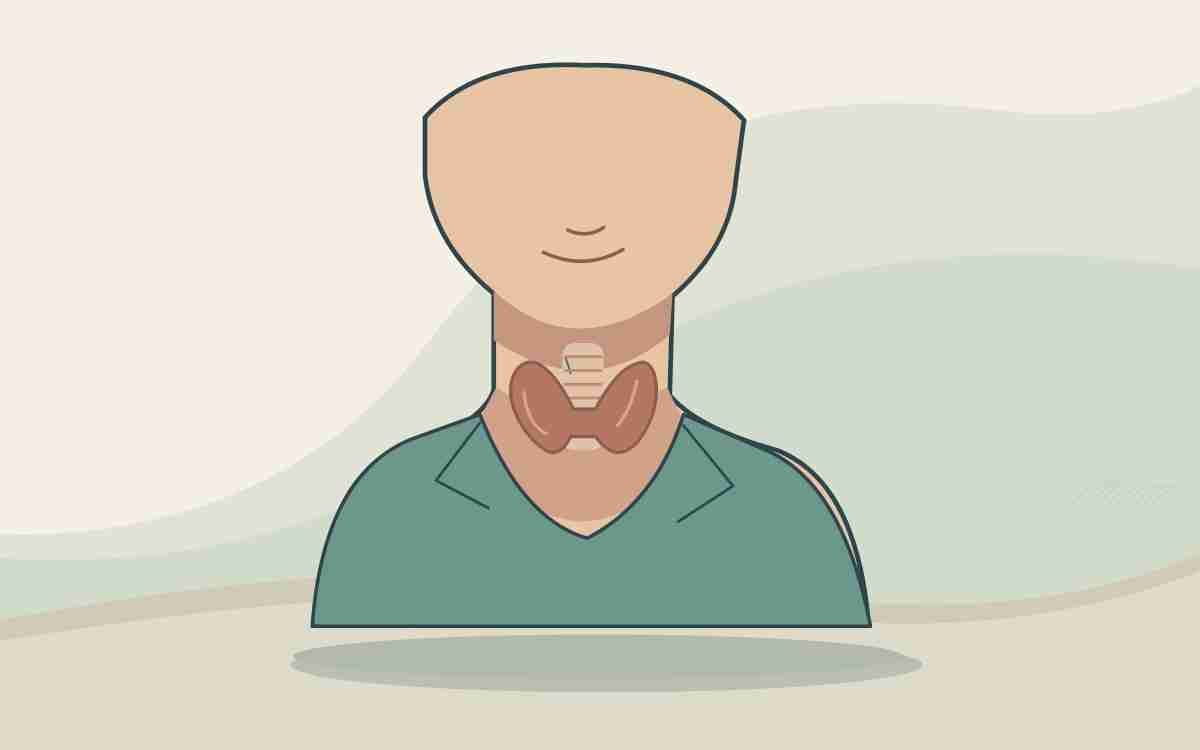
When the thyroid makes too much hormone, the body’s metabolism speeds up. Hyperthyroidism is less common than hypothyroidism, but its symptoms can be disruptive and, in some cases, require prompt attention. At Paeon Health in Bolingbrook, IL, Dr. Walid Sayyed, MD, evaluates overactive thyroid concerns with careful history, targeted labs, and clear next steps — including referral to a specialist when needed.
This article explains common signs of hyperthyroidism, how primary care evaluates it, and what treatment paths may look like.
What Is Hyperthyroidism?
Hyperthyroidism means the thyroid gland produces excess thyroid hormone. The most common cause is Graves’ disease, an autoimmune condition in which antibodies stimulate the thyroid. Other causes include toxic multinodular goiter, a single overactive thyroid nodule, thyroiditis (inflammation), and excess iodine or thyroid hormone medication.
Like hypothyroidism, it is more common in women and often runs in families. It can develop at any age.
Common Signs and Symptoms
Because excess thyroid hormone speeds up many systems, symptoms often feel like your body is “running hot.” Common signs include:
- Unintentional weight loss, sometimes despite increased appetite
- Rapid or irregular heartbeat (palpitations)
- Anxiety, irritability, or nervousness
- Tremor, often in the hands
- Heat intolerance and increased sweating
- Difficulty sleeping
- Frequent bowel movements or diarrhea
- Fatigue and muscle weakness, especially in the upper arms and thighs
- Thinning hair or skin changes
- Lighter or missed menstrual periods
- A visible enlarged thyroid (goiter) or swelling in the neck
- Eye changes in Graves’ disease — bulging, redness, or discomfort (seek care promptly)
Some people, especially older adults, have fewer classic symptoms and may present mainly with heart rhythm changes or weight loss. That is why primary care considers thyroid testing in a broad range of situations.
How Primary Care Evaluates Hyperthyroidism
Evaluation begins with a thorough history and physical exam. Your provider will ask about symptom timeline, medications, supplements (including iodine and thyroid products), family history, and any neck pain or recent viral illness. The exam may include feeling the thyroid for enlargement or nodules, checking heart rate and rhythm, and examining reflexes and eyes.
Lab testing
The first test is usually TSH. In hyperthyroidism, TSH is typically low — the pituitary senses excess thyroid hormone and stops stimulating the gland. Free T4 and sometimes free T3 (the more active hormone) may be elevated. If the cause is unclear, your provider may order thyroid antibodies (TSI for Graves’ disease) or a thyroid uptake scan, often arranged through a specialist.
When referral is needed
Primary care manages straightforward thyroid evaluation and monitoring. If Graves’ disease, nodules, or complex treatment decisions are involved, Dr. Sayyed may refer you to an endocrinologist for options such as antithyroid medication, radioactive iodine, or surgery. The choice depends on your age, pregnancy plans, eye involvement, and personal preference — a shared decision.
What to Expect from Treatment
Treatment goals are to lower thyroid hormone levels, relieve symptoms, and prevent complications like heart rhythm problems or bone loss. Depending on the cause and your situation, options may include antithyroid medication, beta-blockers for symptom relief while treatment takes effect, radioactive iodine, or surgery. Each has trade-offs, and your care team will explain them.
After treatment, many people eventually develop hypothyroidism and require thyroid hormone replacement — which is then monitored routinely by primary care. Regular follow-up and lab monitoring are essential.
When to Seek Care Sooner
Seek prompt medical attention if you have chest pain, severe palpitations, shortness of breath, confusion, high fever with rapid heart rate, or sudden eye swelling/vision changes. These can signal a thyroid storm or serious complication — do not wait for a routine appointment.
FAQ
Q: Can hyperthyroidism go away on its own? A: Some forms, like thyroiditis, may be temporary. Graves’ disease and toxic nodules usually require treatment. Your provider will monitor to determine the pattern.
Q: Is hyperthyroidism serious? A: With treatment, most people do well. Untreated, it can affect the heart, bones, and overall health — which is why evaluation matters.
Q: Can diet cure hyperthyroidism? A: Diet supports overall health but does not replace medical treatment. Avoid excess iodine supplements and discuss any diet changes with your provider.
Q: How long until I feel better? A: Symptoms often improve within weeks of starting treatment, but full normalization and long-term management take months of monitoring.
Q: Can I have both hyper- and hypothyroidism? A: Some conditions (like thyroiditis) can cause a temporary hyper phase followed by hypothyroidism. Labs over time clarify the pattern.
Next steps
If you are experiencing racing heart, unexplained weight loss, anxiety, or other possible hyperthyroidism symptoms, schedule an evaluation at Paeon Health in Bolingbrook, IL. Book through the Elation Patient Passport, call 630-822-2242, or email care@paeonhealth.com. We serve Bolingbrook, Naperville, Romeoville, Plainfield, and surrounding communities. Telehealth across Illinois is available when clinically appropriate.
About this article

Article last updated
References
This article is for general education and does not replace medical advice from your clinician. For a medical emergency, call 911. For personal medical questions, use the secure patient portal.
To discuss your health with Dr. Sayyed, choose an appointment or call 630-822-2242.