
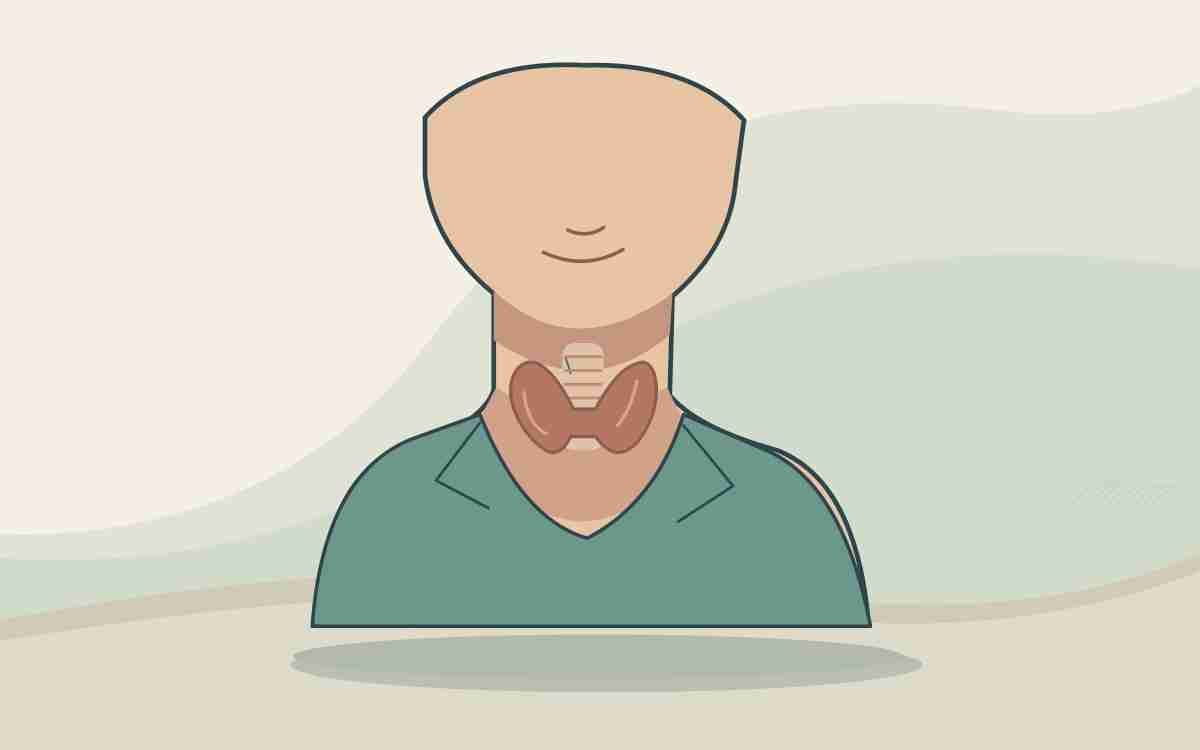
It is one of the most common questions in primary care: “Is my thyroid making me gain weight?” The relationship between thyroid function and weight is real but often misunderstood. Thyroid hormone affects metabolism, but weight is influenced by far more than thyroid alone. At Paeon Health in Bolingbrook, IL, Dr. Walid Sayyed, MD, helps patients separate thyroid-related weight changes from other factors — and builds a realistic plan that addresses the whole person.
How Thyroid Affects Metabolism
Thyroid hormone helps set your basal metabolic rate — the calories your body burns at rest. When thyroid hormone is low (hypothyroidism), metabolism slows. When it is high (hyperthyroidism), metabolism speeds up. This is why:
- Untreated hypothyroidism can contribute to modest weight gain, often partly from fluid accumulation and slower metabolism.
- Untreated hyperthyroidism often causes weight loss despite increased appetite.
The key word is “modest.” Research and clinical experience show that most weight gain in hypothyroidism is small — often a few pounds — and much of it is fluid. Significant, ongoing weight gain is rarely thyroid alone.
What the Evidence Shows
When people with hypothyroidism are treated with thyroid hormone replacement, some lose a modest amount of weight, especially if they were significantly hypothyroid. But many do not lose large amounts, because weight is governed by a complex interplay of:
- Calories in vs. calories out
- Physical activity and muscle mass
- Sleep quality and stress
- Other hormones (insulin, cortisol, sex hormones)
- Medications (some antidepressants, diabetes medications, steroids, and others affect weight)
- Age and genetics
- Gut health and overall nutrition
If you start thyroid medication expecting dramatic weight loss, you may be disappointed. If weight was the main symptom, your provider will look beyond thyroid.
When to Suspect Thyroid as a Factor
Thyroid is more likely contributing to weight concerns if you also have:
- Persistent fatigue and cold intolerance
- Dry skin, hair thinning, brittle nails
- Constipation
- Brain fog or low mood
- Heavy or irregular periods
- A family history of thyroid disease
- A known goiter or prior thyroid issues
In these cases, a TSH test (and often free T4) is reasonable. If labs are normal, thyroid is unlikely to be the main driver.
Hyperthyroidism and Weight
In hyperthyroidism, weight loss is common — but it is not a healthy way to lose weight. Excess thyroid hormone can damage the heart, bones, and muscles. Treatment that restores normal thyroid function often results in regaining some weight, which can be frustrating but is a sign of returning health. Your provider can help you manage weight during this transition.
A Realistic Approach to Weight
At Paeon Health, weight concerns are addressed as part of whole-person care:
- Evaluate thyroid and other medical causes — TSH, free T4 when indicated, plus screening for diabetes, sleep apnea, depression, medication effects, and hormonal changes.
- Review medications — some commonly prescribed drugs affect weight; alternatives may exist.
- Nutrition and activity counseling — sustainable, evidence-based approaches, not fad diets.
- Sleep and stress — both strongly affect appetite hormones and weight.
- Set realistic goals — small, sustained changes matter more than rapid loss.
- Refer when needed — dietitians, behavioral health, and specialists can join the team.
The Myth of “Thyroid Supplements” for Weight Loss
Over-the-counter “thyroid support” supplements, products containing thyroid tissue, and high-dose iodine are not safe or proven weight-loss tools. They can disrupt your own thyroid function, cause heart palpitations, and interfere with lab testing. If you are taking any supplement, tell your provider — it may affect your evaluation.
FAQ
Q: My TSH is normal — could I still have thyroid-related weight gain? A: If TSH and free T4 are normal and you have no other thyroid signs, thyroid is unlikely to be the main cause. Other factors should be explored.
Q: Will increasing my thyroid medication dose help me lose weight? A: No — and taking more than prescribed can cause hyperthyroid symptoms, heart rhythm issues, and bone loss. Never adjust your dose without your provider.
Q: How much weight can hypothyroidism cause? A: Often a modest amount, partly fluid. Significant weight gain usually has multiple contributing factors.
Q: Can thyroid medication be used as a weight-loss drug? A: No. It is not indicated or safe for that use in people with normal thyroid function.
Q: Should I get my thyroid checked if I’m trying to lose weight? A: If you have symptoms or risk factors, yes. Routine thyroid testing for weight loss alone is not generally recommended.
Next steps
If weight changes, fatigue, or other symptoms make you wonder about your thyroid, schedule an evaluation with Walid Sayyed, MD, at Paeon Health in Bolingbrook, IL. Book via the Elation Patient Passport, call 630-822-2242, or email care@paeonhealth.com. We serve Bolingbrook, Naperville, Romeoville, Plainfield, and surrounding communities. Telehealth across Illinois is available when clinically appropriate.
About this article

Article last updated
References
This article is for general education and does not replace medical advice from your clinician. For a medical emergency, call 911. For personal medical questions, use the secure patient portal.
To discuss your health with Dr. Sayyed, choose an appointment or call 630-822-2242.