
If you often feel tired, cold, or notice unexplained weight changes, an underactive thyroid may be part of the conversation. Hypothyroidism is one of the most common hormone conditions primary care sees, and it is also one of the most manageable when identified early. At Paeon Health in Bolingbrook, IL, Dr. Walid Sayyed, MD, evaluates thyroid concerns as part of whole-person primary care — listening to your symptoms, ordering the right labs, and explaining what the results mean for you.
This article covers what hypothyroidism is, common symptoms, how primary care evaluates it, and what to expect from treatment. It is educational, not a diagnosis.
What Is Hypothyroidism?
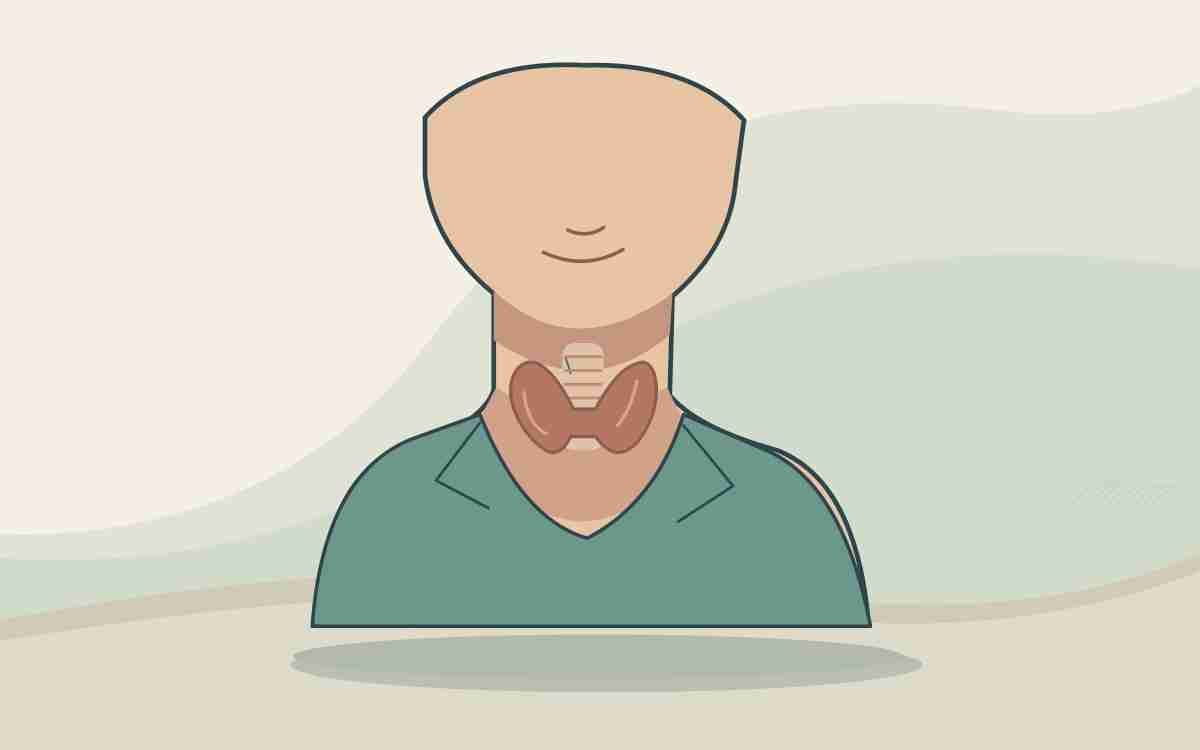
Hypothyroidism means the thyroid gland — a small butterfly-shaped gland in the front of the neck — does not make enough thyroid hormone. Thyroid hormone helps regulate metabolism, body temperature, heart rate, energy, and mood. When levels run low, many body systems slow down.
The most common cause in the United States is Hashimoto’s disease, an autoimmune condition. Other causes include prior thyroid surgery or radiation, certain medications, iodine deficiency (less common in the U.S.), and inflammation of the thyroid. Some people develop hypothyroidism gradually over years, which is why symptoms can be easy to miss at first.
Women are more often affected than men, and risk rises with age. Anyone can develop it, however, which is why primary care considers thyroid testing whenever symptoms fit.
Common Hypothyroidism Symptoms
Symptoms vary from person to person and often overlap with other conditions — fatigue alone is not enough to diagnose hypothyroidism. Common signs include:
- Persistent fatigue, even after adequate sleep
- Feeling cold when others do not, especially in hands and feet
- Unexplained weight gain or difficulty losing weight
- Dry skin, brittle nails, and thinning hair
- Constipation
- Muscle aches, weakness, or joint stiffness
- Brain fog, poor concentration, or memory lapses
- Heavy or irregular menstrual periods
- Depression or low mood
- A hoarse voice or swelling in the neck (goiter)
- Elevated cholesterol levels
Because these symptoms can also come from sleep apnea, anemia, depression, vitamin deficiencies, menopause, or simply a busy season, primary care uses both symptoms and lab work to decide whether hypothyroidism is the cause.
How Primary Care Evaluates Hypothyroidism
At Paeon Health, evaluation starts with a careful history. Dr. Sayyed will ask about your symptoms, when they began, medications, family history of thyroid disease, pregnancy history, and any prior neck radiation or surgery. A physical exam may include checking your neck for thyroid enlargement, examining your skin and hair, and reviewing your reflexes and heart rate.
Lab testing
The first-line test is TSH (thyroid-stimulating hormone), made by the pituitary gland. When thyroid hormone is low, the pituitary releases more TSH to stimulate the thyroid — so a high TSH often suggests an underactive thyroid. Depending on the situation, your provider may also order a free T4 (the active thyroid hormone) and sometimes thyroid antibodies to check for Hashimoto’s disease.
Interpreting thyroid labs is not simply “in range or out of range.” Your age, symptoms, pregnancy status, and other medical conditions all matter. Primary care reviews labs in the context of your whole health picture.
What if results are borderline?
Some people have a mildly elevated TSH with normal free T4, called subclinical hypothyroidism. Not everyone needs medication immediately. Your provider may repeat labs in a few months, discuss symptoms, and consider treatment based on guidelines from groups like the American Thyroid Association and AAFP.
What to Expect After Diagnosis
If hypothyroidism is confirmed, treatment usually involves replacing thyroid hormone with a daily oral medication. The goal is to bring TSH into a target range and relieve symptoms. Dosing is individualized and adjusted over time based on repeat labs — there is no one-size-fits-all dose.
You will typically have follow-up blood work several weeks after starting or changing medication, then periodic monitoring once stable. Many people feel gradual improvement in energy, mood, and cold intolerance over weeks to months. Consistency matters: taking medication the same way each day helps keep levels steady.
Lifestyle also plays a supporting role — balanced nutrition, regular activity, adequate sleep, and managing other conditions like high cholesterol or diabetes. Thyroid care is part of your overall primary care, not a separate silo.
When to Seek Care Sooner
Most hypothyroidism develops slowly, but contact your provider promptly if you experience severe fatigue with swelling, chest pain, shortness of breath, confusion, or symptoms that interfere with daily life. If you are pregnant or planning pregnancy, thyroid levels need careful monitoring — ask your obstetrician and primary care provider early.
FAQ
Q: Can I have hypothyroidism with normal TSH? A: It is uncommon, but TSH alone does not capture every thyroid situation. If symptoms persist, your provider may order free T4, antibodies, or look for other causes. Evaluation is individualized.
Q: How long does it take for thyroid medication to work? A: Many people notice some improvement within a few weeks, but full effect and dose adjustment can take months. Follow-up labs help guide changes.
Q: Is hypothyroidism curable? A: Most cases are lifelong and managed well with medication and monitoring. The goal is stable hormone levels and symptom relief, not a “cure.”
Q: Does stress cause hypothyroidism? A: Stress does not directly cause hypothyroidism, but it can worsen how you feel and affect overall health. Autoimmune causes like Hashimoto’s are the most common trigger.
Q: Should I take iodine supplements for my thyroid? A: Not without discussing with your provider. Iodine deficiency is rare in the U.S., and excess iodine can sometimes worsen thyroid conditions.
Next steps
If you suspect thyroid symptoms, schedule an evaluation with Walid Sayyed, MD, at Paeon Health in Bolingbrook, IL. Book online through the Elation Patient Passport, call 630-822-2242, or email care@paeonhealth.com. We serve patients across Bolingbrook, Naperville, Romeoville, Plainfield, and the greater Chicago suburbs. Telehealth across Illinois is available when clinically appropriate.
About this article

Article last updated
References
This article is for general education and does not replace medical advice from your clinician. For a medical emergency, call 911. For personal medical questions, use the secure patient portal.
To discuss your health with Dr. Sayyed, choose an appointment or call 630-822-2242.