
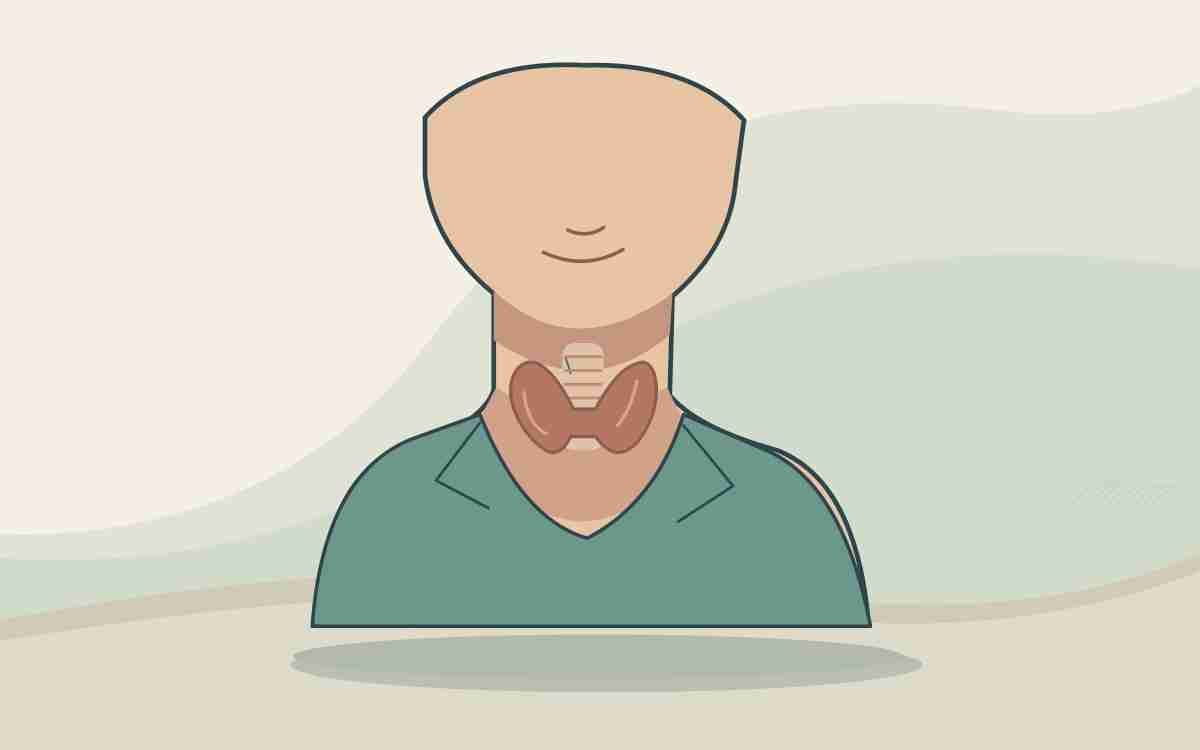
Thyroid medication is one of the most prescribed medications in the United States. It is also one where small details — timing, consistency, interactions — can affect how well it works. At Paeon Health in Bolingbrook, IL, Dr. Walid Sayyed, MD, prescribes and monitors thyroid medication as part of primary care, with clear explanations and individualized dosing. This article covers the basics: what thyroid medication is, how to take it, what to expect, and common questions. It does not provide doses — those are always set by your provider.
What Thyroid Medication Does
The most common thyroid medication is levothyroxine, a synthetic form of T4 (thyroxine). It replaces or supplements the hormone your thyroid would normally make. Once absorbed, your body converts T4 to T3, the active form, as needed. Brand names and generic versions exist; your provider and pharmacist can discuss which is appropriate for you.
Other formulations, including combination T4/T3 products and desiccated thyroid, are sometimes discussed. Major guidelines generally recommend levothyroxine as first-line for hypothyroidism. If you are interested in alternatives, ask your provider about the evidence, risks, and monitoring involved.
How to Take It: Consistency Matters
Specific instructions come from your provider and pharmacist, but general principles include:
- Take it at the same time each day. Many people take it first thing in the morning on an empty stomach.
- Wait before eating or drinking other things. Food, coffee, milk, and calcium-fortified products can reduce absorption. A common recommendation is to wait 30–60 minutes before eating; your pharmacist will give exact guidance.
- Keep a gap from supplements and certain medications. Calcium, iron, antacids, and some other drugs can interfere — a gap of several hours is often recommended.
- Do not switch brands or manufacturers without checking. Different formulations can vary slightly in potency. If your pharmacy changes the manufacturer, tell your provider.
- Never double up if you miss a dose without asking. Some people take the missed dose when they remember, but follow your provider’s specific advice.
What to Expect After Starting
Thyroid medication does not work overnight. Many people notice gradual improvement in energy, mood, and cold intolerance over several weeks. Full effect on labs and symptoms often takes 6–8 weeks, which is why follow-up blood work is typically scheduled around that time.
Your provider will adjust based on both labs and how you feel. Finding the right dose is a process, not a one-time decision. Once stable, many patients stay on the same dose for years, with periodic monitoring.
Monitoring and Follow-Up
- TSH is the main lab used to monitor replacement therapy.
- Free T4 may be checked in some situations.
- Frequency: after starting or changing dose, recheck in about 6–8 weeks; once stable, often annually or as recommended.
- Pregnancy, weight changes, new medications, and aging can all change requirements — tell your provider if any of these occur.
Common Interactions and Considerations
Tell your provider about all medications and supplements, especially:
- Calcium and iron supplements
- Antacids and proton pump inhibitors
- Some cholesterol medications (bile acid sequestrants)
- Certain antidepressants and seizure medications
- Estrogen-containing medications
- Biotin (high doses can affect lab testing, not absorption)
These do not always mean you cannot take thyroid medication — they often just require spacing or monitoring.
Hyperthyroidism Medication (Briefly)
For overactive thyroid, treatment differs. Antithyroid medications reduce hormone production; beta-blockers may relieve symptoms like palpitations and tremor while treatment takes effect. Radioactive iodine and surgery are options discussed with a specialist. If you have hyperthyroidism, your primary care provider coordinates with endocrinology as needed.
When to Contact Your Provider
Contact Paeon Health if you develop chest pain, rapid or irregular heartbeat, severe anxiety or tremor, or symptoms that suggest your dose is too high or too low. Routine questions about timing, refills, and labs can often be handled through the Elation Patient Passport portal or a telehealth visit when clinically appropriate.
FAQ
Q: Is thyroid medication for life? A: For most people with Hashimoto’s or surgical removal of the thyroid, yes. Some temporary causes may allow stopping under medical supervision. Never stop without consulting your provider.
Q: Can I take thyroid medication at night instead? A: Some people do, on an empty stomach. Consistency is what matters most. Discuss with your provider.
Q: Why do I feel worse after starting? A: Adjustment takes time. If symptoms are significant, contact your provider — dose or timing may need review.
Q: Are natural desiccated thyroid products better? A: They contain both T4 and T3 and come from animal sources. Guidelines generally prefer levothyroxine for consistent dosing. Discuss trade-offs with your provider.
Q: Can I take thyroid medication while pregnant? A: Yes — and it is often essential. Requirements often increase in pregnancy. Tell your provider as soon as you are planning or pregnant.
Next steps
If you take thyroid medication and want a primary care partner for monitoring, or if you suspect you need thyroid evaluation, schedule with Walid Sayyed, MD, at Paeon Health in Bolingbrook, IL. Book via the Elation Patient Passport, call 630-822-2242, or email care@paeonhealth.com. We serve Bolingbrook, Naperville, Romeoville, and Plainfield. Telehealth across Illinois is available when clinically appropriate.
About this article

Article last updated
References
- American Thyroid Association — Thyroid hormone treatment
- NIDDK — Hypothyroidism (underactive thyroid)
This article is for general education and does not replace medical advice from your clinician. For a medical emergency, call 911. For personal medical questions, use the secure patient portal.
To discuss your health with Dr. Sayyed, choose an appointment or call 630-822-2242.